5 Ways to Get Your AC Running Fast in 2026
AC Tips and Tricks
To get your AC running when it stops, check your thermostat batteries and settings, verify your circuit breaker hasn't tripped, replace a clogged air filter, clear the outdoor condenser of debris, and check for a full condensate drain pan. These quick fixes often restore cooling without a service call.
There is nothing quite as frustrating as waking up in the middle of a humid North Carolina night to find your home feeling like an oven. When the air conditioning stops blowing cold, your first instinct might be to panic and call for emergency help. While we at Kinston Refrigeration Company (KRC) are always ready to assist our neighbors in Kinston, NC and Greenville, NC , we also believe in empowering our customers. Sometimes, the solution is much simpler than a mechanical failure.
Since 1970, our team has seen thousands of units that simply needed a minor adjustment rather than a major overhaul. We are technicians first, not salespeople, which means we want you to have a working system as quickly and affordably as possible. Before you reach for the phone, follow these five essential steps to see if you can get your system back online yourself. These tips are designed to address the most common reasons an air conditioner might quit on you during the peak of summer.
Why did my air conditioner stop working?

An air conditioner is a complex system of electrical components, refrigerant lines, and airflow mechanisms. When one of these parts fails or becomes obstructed, the entire system may shut down as a safety precaution. Understanding the 'why' behind the failure can help you troubleshoot more effectively. Often, the system hasn't actually 'broken' in the sense of a permanent failure; rather, a safety switch has been triggered or a lack of maintenance has caused the system to choke.
Common reasons for a sudden shutdown include:
- Power surges or tripped circuit breakers protecting the sensitive electronics.
- Thermostat communication errors or dead batteries.
- Airflow restrictions causing the internal coils to freeze into a block of ice.
- Drainage issues where water backup triggers a shut-off switch.
- Outdoor obstructions preventing the release of heat from the condenser.
By systematically checking these areas, you can identify if the problem is something you can handle or if it requires the technical expertise of a licensed professional. In many cases, a few minutes of inspection can save you the cost of a service visit and get your home back to a comfortable temperature immediately.
Essential Power and Thermostat Checks
The most common reason an AC stops working is also the simplest: it isn't getting power or isn't being told to turn on. It sounds basic, but you would be surprised how often a bumped thermostat or a tripped breaker is the sole culprit.
Start with your thermostat. Ensure it is set to 'Cool' and the temperature is at least five degrees lower than the current room temperature. If the screen is blank, replace the batteries. Even if the screen looks fine, weak batteries can sometimes prevent the thermostat from sending a signal to the outdoor unit. If your thermostat is a smart model, ensure it hasn't lost its Wi-Fi connection or entered an 'Eco' mode that limits cooling during peak hours.
Next, head to your electrical panel. Air conditioners pull a significant amount of power, especially when they first kick on. If there was a brief power flicker in your neighborhood, or if the unit worked particularly hard during a heatwave, the circuit breaker may have tripped. Look for the switch labeled 'AC' or 'HVAC.' If it is in the middle position, flip it all the way to 'Off' and then back to 'On.' Do not do this repeatedly; if it trips again immediately, you have an electrical issue that requires AC Repair from a professional to avoid a fire hazard.
How does a dirty filter affect my AC?
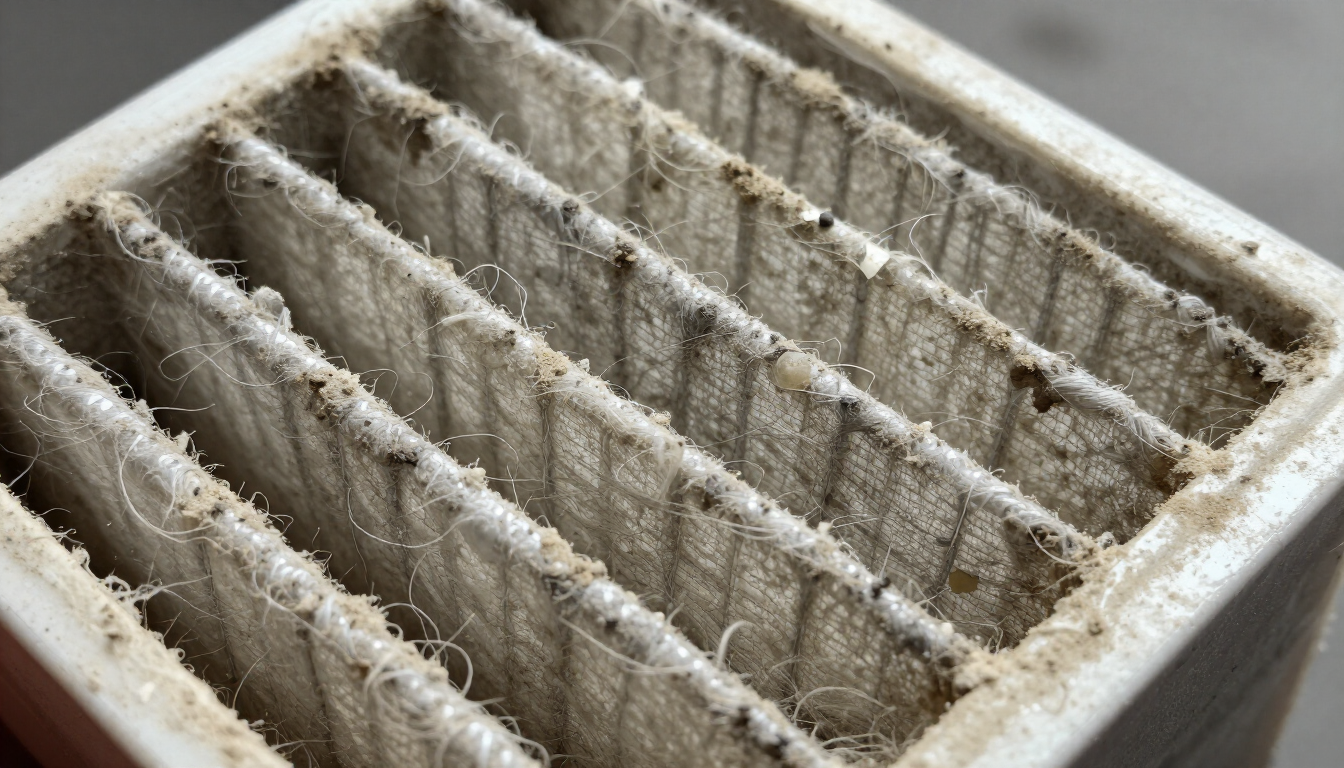
One of the most overlooked components of a healthy HVAC system is the humble air filter. Its job is to keep dust, dander, and debris out of your sensitive indoor coils. However, when a filter becomes heavily clogged, it restricts the volume of air passing through the system. When air can't move, the refrigerant in the evaporator coil gets too cold, causing the moisture in the air to freeze on the coil. Eventually, you end up with a literal block of ice inside your furnace or air handler, which blocks all airflow.
If you notice your AC is running but nothing is coming out of the vents, or if the air feels lukewarm, check your filter immediately. A dirty filter forces the motor to work harder, which can lead to overheating and a total system shutdown. We recommend changing your filters every 30 to 90 days, depending on whether you have pets or allergies.
Steps to manage a frozen coil due to a dirty filter:
- Turn the AC 'Off' at the thermostat immediately.
- Switch the fan setting to 'On' (not 'Auto') to help melt the ice.
- Replace the old filter with a high-quality new one.
- Wait at least 2-4 hours for the ice to completely melt before restarting the cooling mode.
- Check the external drain line for excess water as the ice thaws.
Dealing with a Clogged Condensate Drain
Your air conditioner doesn't just cool the air; it also removes humidity. This moisture collects on the evaporator coil and drips into a drain pan, where it should flow outside through a PVC pipe. Over time, algae, mold, and dust can create a sludge that clogs this pipe. Most modern systems are equipped with a float switch—a safety device that detects if the water in the pan is rising too high. To prevent a flood in your home, this switch will kill the power to the entire AC unit.
If you find water standing in the secondary drain pan under your indoor unit, you likely have a clog. You can sometimes clear this yourself using a wet/dry vacuum on the end of the drain line outside your home to suck out the obstruction. Once the water drains and the float switch drops back down, the unit should restart. Regular HVAC Maintenance & Tune-Ups include cleaning these lines, which is the best way to prevent this annoying mid-summer shutdown.
Can outdoor debris cause the unit to shut down?
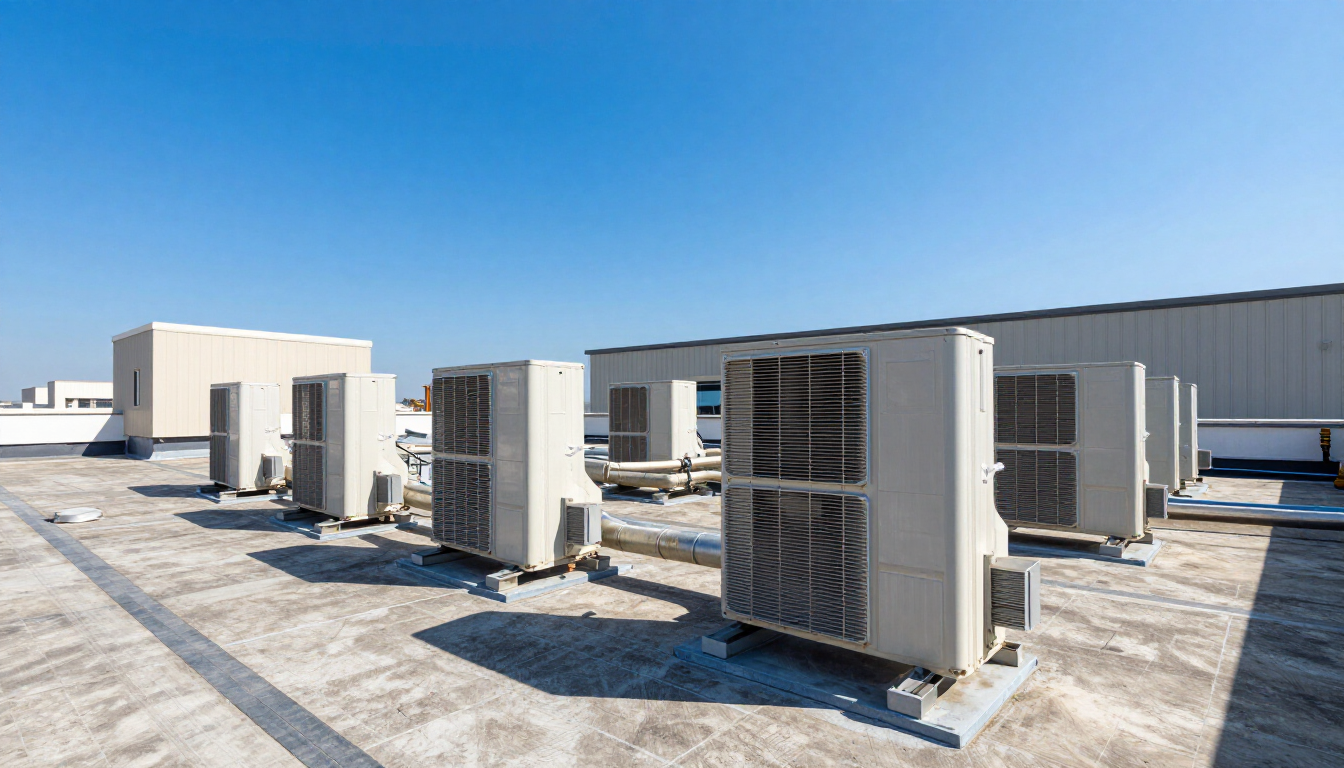
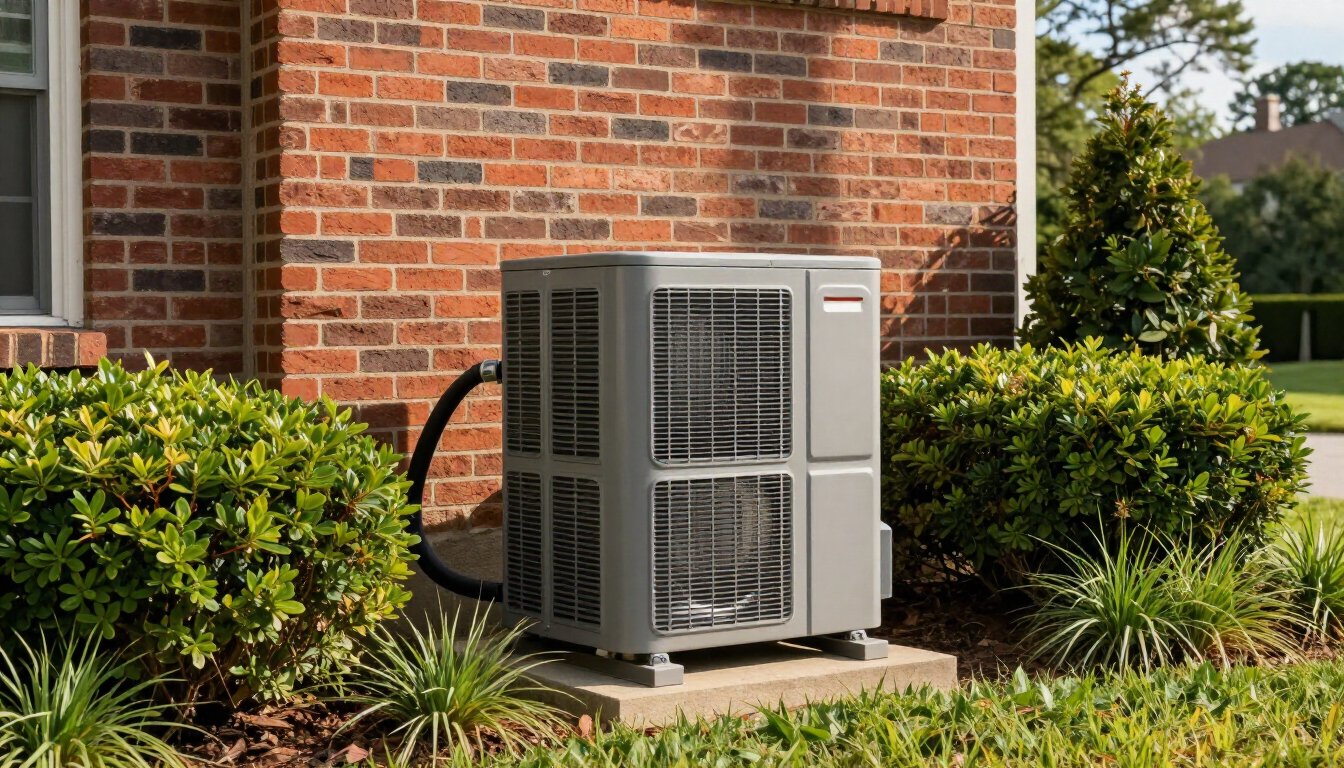
The outdoor portion of your AC, known as the condenser, is responsible for releasing the heat collected from inside your home. It does this by blowing air across a series of metal fins. If those fins are covered in grass clippings, leaves, dryer lint, or 'cotton' from trees, the heat has nowhere to go. This causes the pressure inside the system to skyrocket, which can trigger a high-pressure safety switch that turns the unit off to prevent the compressor from exploding.
Take a walk outside and inspect your unit. There should be at least two feet of clear space around the entire perimeter. If you see dirt or debris caked onto the sides, you can gently wash it off with a garden hose (do not use a pressure washer, as it will bend the delicate fins). Keeping the area clear of tall weeds and shrubs is a simple way to ensure your AC can 'breathe' and function efficiently during the hottest parts of the day in Goldsboro, NC .
Signs You Need Professional AC Repair
Sometimes, despite your best troubleshooting efforts, the problem is deeper than a filter or a breaker. At Kinston Refrigeration Company, we pride ourselves on diagnosing the root cause of an issue rather than just treating the symptoms. If you have tried the tips above and the system still won't kick on, it is time to call in the experts.
You should call for professional service if you notice:
- Grinding, squealing, or banging noises coming from the unit.
- The smell of burning plastic or electrical components.
- Ice forming on the copper refrigerant lines outside.
- The outdoor fan is spinning, but the air inside is warm.
- The unit frequently cycles on and off every few minutes.
When is it time to call a professional?
Knowing when to DIY and when to call a pro can save you money and prevent further damage to your equipment. If the issue involves refrigerant—the chemical used to cool the air—you must call a licensed technician. Handling refrigerant requires specialized tools and certification due to environmental regulations and personal safety risks. Similarly, if the problem is a failed capacitor or a faulty compressor motor, these are high-voltage components that can be dangerous for an untrained person to handle.
Our team at KRC has over 50 years of experience working on major brands like Carrier, Trane, Whirlpool, and GE. We believe in practical repairs. If we can fix your existing unit and give it several more years of life, we will. We only recommend replacement when the cost of repair outweighs the value of the unit. For honest, expert service, you can always Contact Us to get your home comfortable again.
Benefits of Joining a Maintenance Plan
The best way to deal with a broken AC is to prevent it from breaking in the first place. Most of the 'emergency' calls we receive in the summer could have been avoided with a simple spring tune-up. Our Maintenance Plans are designed to give homeowners peace of mind. During a maintenance visit, we clean the coils, clear the drain lines, check refrigerant levels, and inspect all electrical connections.
Investing in maintenance not only prevents sudden breakdowns but also lowers your monthly energy bills. A clean system runs more efficiently and lasts significantly longer than one that is neglected. Think of it like an oil change for your car—it’s a small investment that protects a very expensive asset.
Summary of How to Get Your AC Running
If your air conditioner stops working, don't panic. Most issues can be identified by following a few simple steps. Start by checking your thermostat settings and your home's circuit breaker to ensure the system has power. Inspect your air filter for clogs and look for water in your condensate drain pan. Finally, clear any debris from your outdoor unit to ensure proper airflow. If these steps don't restore cooling, it is likely time for a professional diagnosis.
Key Takeaways:
- Check Power: Verify the thermostat batteries and the circuit breaker panel.
- Clear Airflow: Replace dirty filters and clear outdoor debris.
- Monitor Drainage: Ensure the condensate drain line isn't clogged.
- Call the Pros: Seek help for strange noises, odors, or refrigerant leaks.
- Preventive Care: Schedule annual tune-ups to avoid future breakdowns.