Why Ice Machines Stop Producing Ice: 5 Common Fixes

May 25, 2026

Share this article

A restaurant ice machine typically stops producing ice because of mineral scale buildup, clogged water filters, restricted water flow, or frozen evaporator coils. These common issues restrict the machine's ability to cycle correctly, often resulting in small cubes, slow production, or a complete system shutdown.

Why do commercial ice machines stop making ice?

In the fast-paced environment of a restaurant, the ice machine is often the unsung hero—until it stops working. When you are in the middle of a Friday night rush in Greenville, NC or Kinston, the last thing you want is a server telling you the bin is empty. Understanding why these machines fail is the first step toward preventing a total kitchen meltdown. Most failures aren't sudden; they are the result of gradual performance declines that go unnoticed until the machine finally gives up.

Commercial ice machines are complex pieces of commercial refrigeration equipment. They rely on a precise balance of water flow, temperature control, and mechanical timing. When any of these factors are off, the production cycle is interrupted. Common culprits include environmental factors like high ambient heat in the kitchen or internal mechanical failures. However, the vast majority of problems stem from a lack of routine maintenance and cleaning.

Is a dirty water filter causing your ice machine failure?

One of the most frequent reasons we see for an ice machine shutdown is a neglected water filter. Ice machines process hundreds of gallons of water every week. If your filter is clogged with sediment or carbon, the water flow into the machine drops significantly. Without enough water, the machine cannot complete a freeze cycle, or it produces thin, brittle ice that melts almost instantly.

If the water flow is too low, the machine’s safety sensors may trigger a shutdown to protect the components from overheating. Changing your water filter every six months is a non-negotiable part of kitchen management. If you haven’t changed yours recently, it’s likely the primary suspect for your production issues. For professional assistance, our team offers specialized Ice Machine Repair to get your water flow back to factory standards.

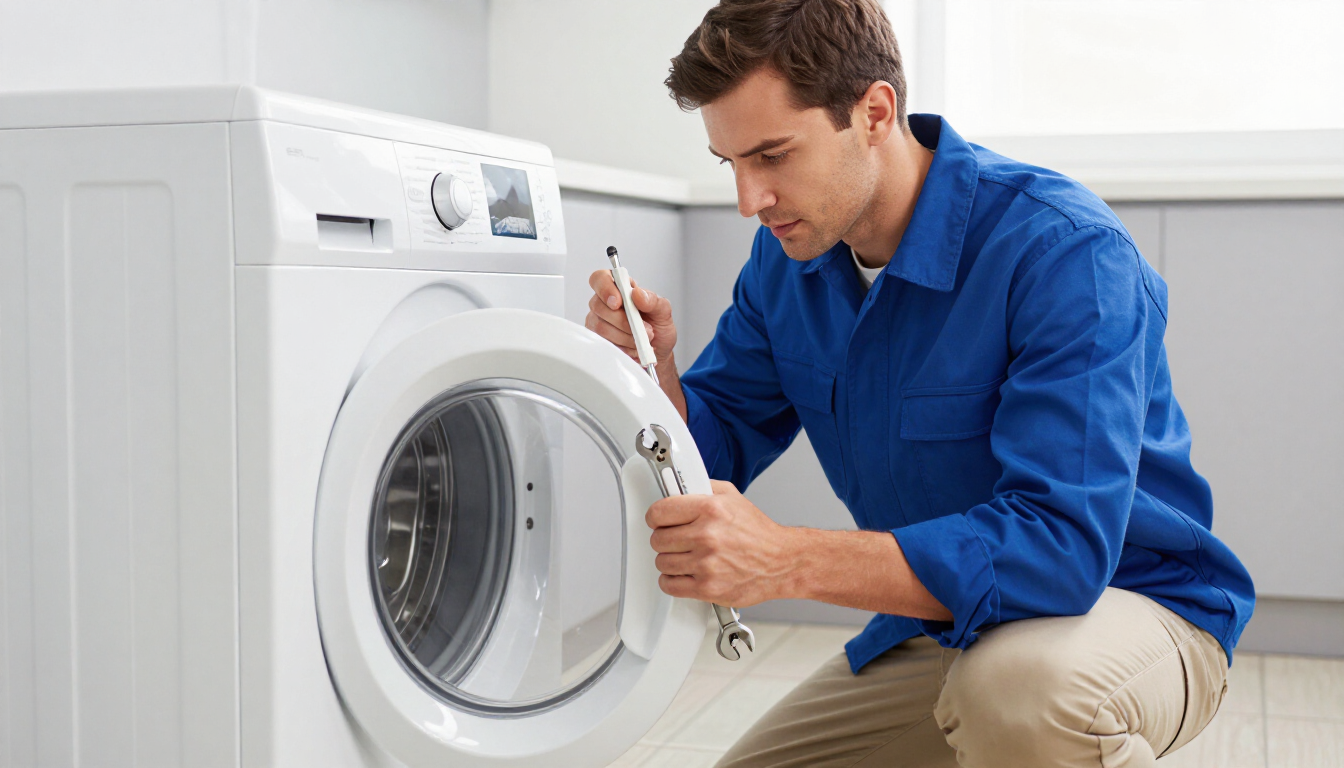
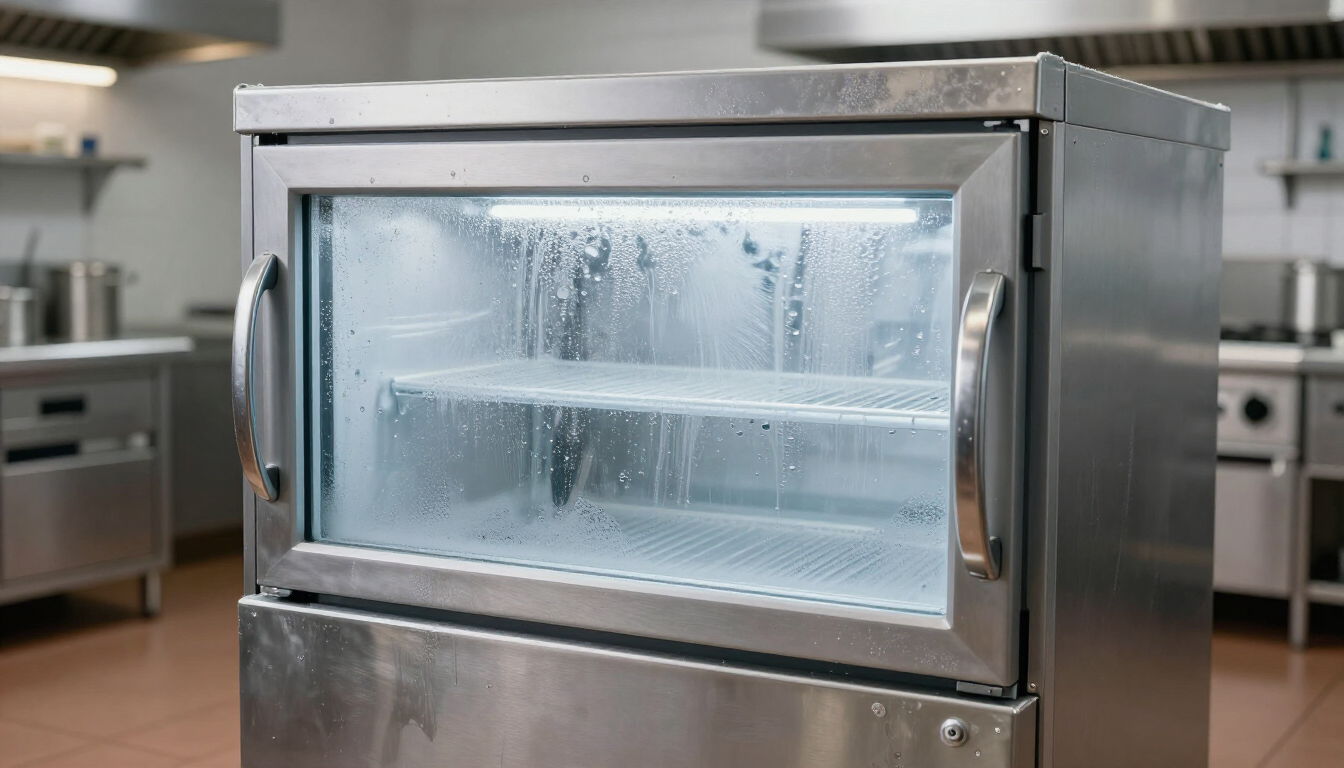
Technician operates a stainless steel industrial machine in a clean laboratory kitchen setting

How does scale buildup impact ice production?

In Eastern North Carolina, water hardness can be a significant challenge for restaurant owners. Mineral scale, primarily calcium and magnesium, accumulates on the evaporator plate over time. This buildup acts as an insulator, making it harder for the machine to freeze water efficiently. Even a thin layer of scale can drastically increase the time it takes to produce a single batch of ice.

Furthermore, scale buildup can cause the ice to stick to the evaporator plate during the harvest cycle. When the machine tries to drop the ice into the bin, the cubes remain stuck, leading to a freeze-up. This can damage the delicate fins of the evaporator and lead to expensive repairs. Regular descaling is essential to keep the machine running smoothly and to ensure your ice remains clear and taste-free.

Common Mechanical Issues in Restaurant Ice Machines

While water and scale are the most frequent issues, mechanical components can also fail due to wear and tear. At Kinston Refrigeration Company, we see a variety of internal problems that require expert diagnosis. These aren't usually things a restaurant manager can fix with a quick reset button. Some of the most common mechanical failures include:

  • Faulty water inlet valves that leak or fail to open.
  • Broken bin thermistors that incorrectly sense the ice level.
  • Malfunctioning harvest sensors that fail to trigger the drop cycle.
  • Worn-out water pumps that can no longer circulate water over the plate.
  • Leaking refrigerant lines that prevent the evaporator from reaching freezing temperatures.

When these components fail, the machine might still hum as if it's working, but no ice will ever appear in the bin. Because we are technicians first—not salespeople—we focus on diagnosing the specific failed part to get you back in business without suggesting an unnecessary full machine replacement.

Why is proper airflow critical for ice production?

Ice machines generate a lot of heat during the refrigeration process. This heat must be dissipated through the condenser coils, usually located at the back or side of the unit. If your ice machine is tucked into a tight corner or surrounded by other hot equipment like ovens or fryers, it won't be able to breathe. High ambient temperatures force the compressor to work much harder and longer to freeze the water.

If the condenser coils are covered in grease, dust, or lint, they cannot release heat effectively. This leads to longer cycle times and, eventually, a high-pressure cutout. To ensure your machine stays cool, you should:

  • Clean the air filters every month to remove grease and dust.
  • Keep at least six inches of clearance around all sides of the machine.
  • Vacuum the condenser coils regularly to improve heat exchange.
  • Ensure the kitchen has adequate ventilation to manage ambient heat.
  • Avoid placing heat-generating equipment directly next to the ice maker.

Understanding Water Pressure and Flow Requirements

For an ice machine to function correctly, it needs a consistent supply of water at a specific pressure, typically between 20 and 80 psi. If your restaurant is experiencing plumbing issues or if you have multiple high-demand appliances running at once, the ice machine might be starved for water. This is particularly common in older buildings in Goldsboro, NC where plumbing systems may be outdated.

When water pressure is too low, the fill trough doesn't reach the necessary level within the allotted time. The machine’s internal timer will then time out, leading to a "long freeze" or "long harvest" error code. Checking your building's water pressure is a simple but vital step in troubleshooting an underperforming ice machine. If you're unsure how to check this, our commercial services team can perform a full site evaluation to ensure your utilities meet the manufacturer's requirements.

How can preventive maintenance save your kitchen?

Preventive maintenance is the difference between a machine that lasts 15 years and one that fails after five. Most ice machine manufacturers recommend a professional deep cleaning and inspection at least twice a year. During these visits, a licensed technician will do more than just wipe down the exterior. They perform a comprehensive check of the entire system to catch small problems before they lead to a complete shutdown.

Investing in Maintenance Plans or Commercial Refrigeration Maintenance ensures that your machine is descaled, the sensors are calibrated, and the refrigerant levels are checked. This proactive approach reduces the risk of emergency repairs during your busiest seasons. It also ensures that the ice you serve your customers is clean, safe, and free of mold or bacterial growth that can thrive in damp, neglected environments.

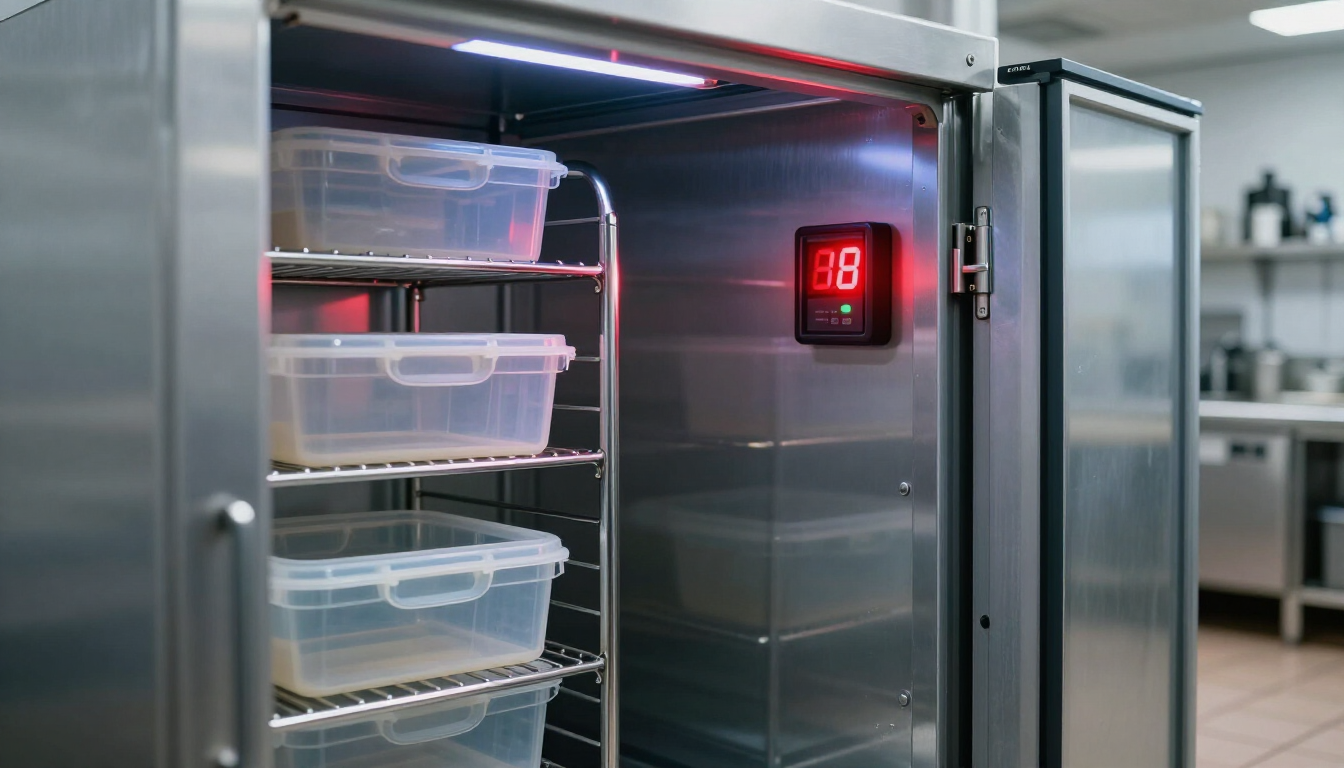
Stainless steel countertop appliance in a commercial kitchen with utensils and shelves in the background

The KRC Professional Maintenance Difference

At Kinston Refrigeration Company, we have been serving Eastern North Carolina since 1970. We understand the specific needs of local businesses and the environmental factors that affect refrigeration equipment in our region. Our technicians are trained on all major brands, including Manitowoc, Hoshizaki, and Scotsman. We don't just fix the symptom; we find the root cause of why your ice machine stopped producing ice.

Whether you need a quick repair in Kinston or a full maintenance schedule for a multi-location operation in Greenville, we are here to help. Our goal is to provide honest, reliable service that keeps your kitchen running efficiently. If your ice machine is acting up, don't wait for it to stop completely. Contact Us today to schedule a diagnostic visit and keep the ice flowing.

Summary of Why Ice Production Stops

To keep your restaurant's ice production consistent, it is vital to monitor for common failure points and address them proactively. When a machine stops producing ice, it is almost always due to one of the following factors:

  • Mineral Scale: Buildup on the evaporator plate that slows freezing and disrupts harvesting.
  • Clogged Filtration: Reduced water flow that prevents the machine from filling correctly.
  • Poor Ventilation: Overheating due to grease-clogged condensers or lack of clearance.
  • Component Wear: Failure of water pumps, inlet valves, or electronic sensors.
  • Environmental Heat: High kitchen temperatures that exceed the machine’s operating limits.

Addressing these issues through regular professional maintenance is the most effective way to avoid the high costs of emergency repairs and the logistical headache of purchasing bagged ice. By understanding these common causes, you can take control of your kitchen's refrigeration needs and ensure your customers always have a cold drink ready.

Recent Posts

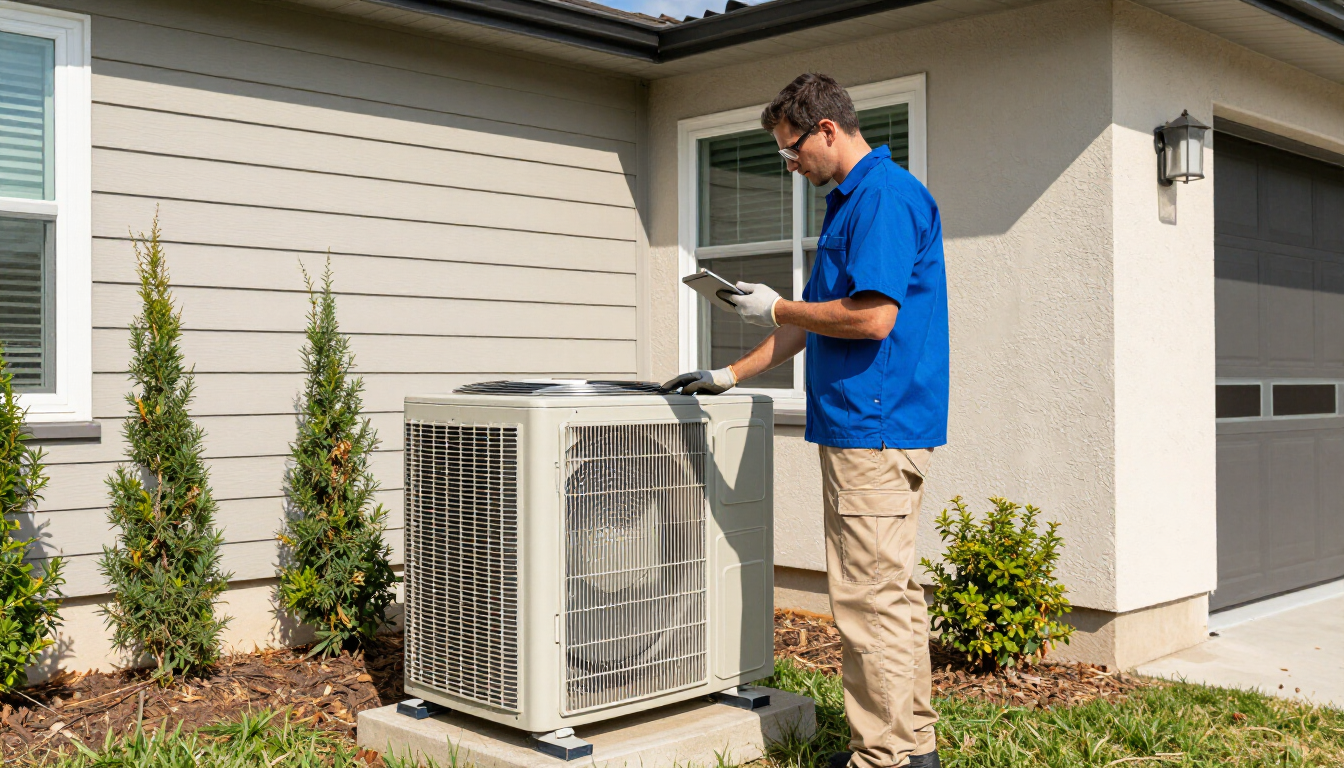
Outdoor air conditioning unit in Kinston NC
June 2, 2026
Struggling with a broken air conditioner? Learn how to get your AC running again with 5 simple troubleshooting tips from Kinston Refrigeration Company.
Grocery store refrigerated aisle with shelves of packaged produce and meats under bright lights
May 25, 2026
Ensure food safety and prevent spoilage with our comprehensive walk-in cooler maintenance checklist designed specifically for Eastern NC restaurant owners.