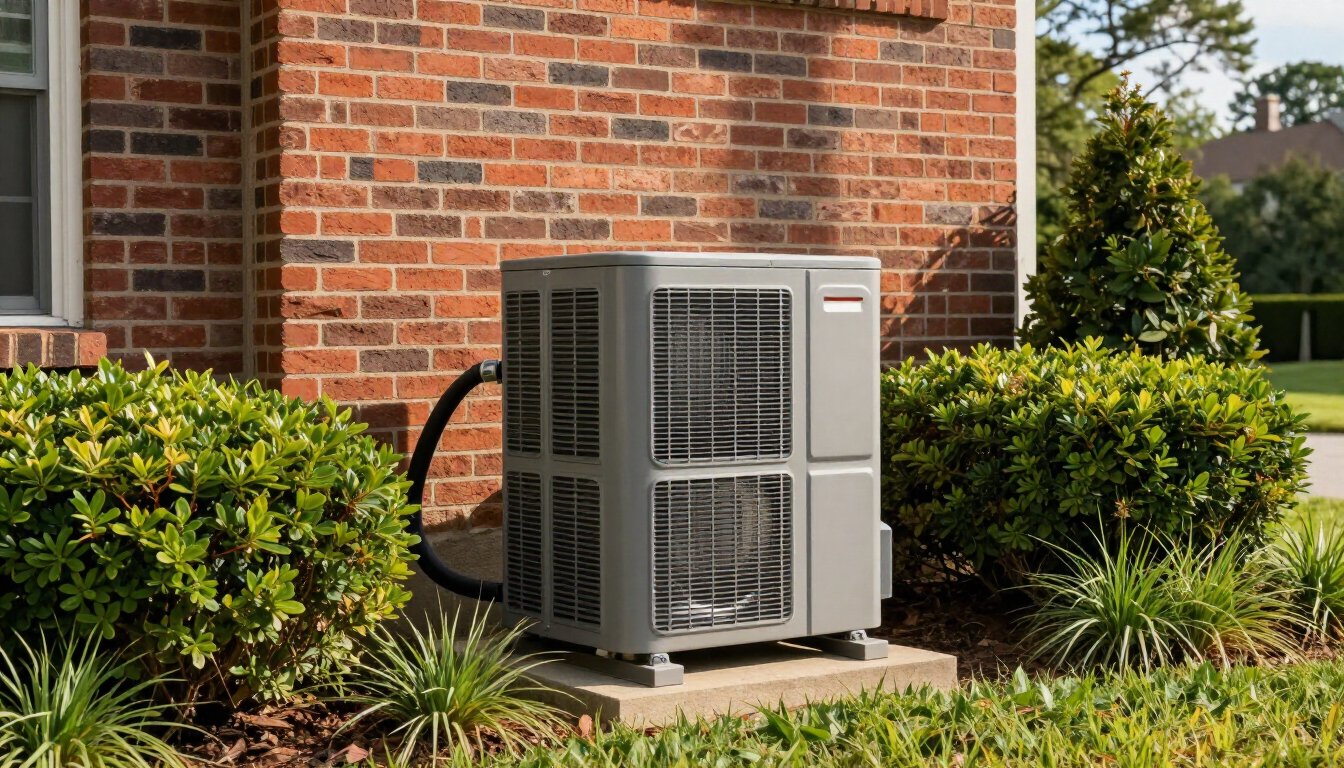
Why Commercial Rooftop Units Fail in Summer (5 Ways)
Commercial rooftop units fail in summer primarily due to dirty condenser coils, refrigerant leaks, electrical component strain, and clogged filters. As temperatures rise in Eastern North Carolina, these issues force systems to work harder, leading to mechanical breakdowns, reduced cooling capacity, and eventual total system failure.
Running a business is hard enough without your cooling system quitting on the hottest day of July. When the humidity hits Kinston or Greenville, your rooftop unit (RTU) is the only thing standing between a productive workspace and a sweltering disaster. But why do these heavy-duty machines seem to give up just when you need them most?
Why do dirty condenser coils cause RTU failure?
The condenser coil is responsible for releasing the heat collected from inside your building into the outside air. Because rooftop units are exposed to the elements, they constantly suck in dust, pollen, and debris. Over time, this grime forms a blanket over the coils.
When coils are dirty, the heat exchange process slows down significantly. Your compressor has to run longer and hotter to compensate, which eventually leads to a burnout. This is one of the most common reasons for rooftop unit repair calls during the summer months. Cleaning these coils isn't just about efficiency; it’s about preventing a total system heart attack.
Top 5 Causes of Rooftop Unit Breakdowns
While heat is the catalyst, the actual failure usually stems from one of these five specific issues:
- Dirty Condenser Coils: As mentioned, these trap heat and strain the compressor.
- Refrigerant Leaks: Low levels cause the system to freeze up or fail to cool.
- Clogged Air Filters: Restricted airflow causes the motor to overheat.
- Electrical Failures: High heat can melt wires or cause capacitors to pop.
- Worn Belts and Pulleys: Constant summer operation can snap old, brittle belts.
What are the signs of a refrigerant leak?
Refrigerant is the lifeblood of your commercial HVAC system. If there is a leak, your unit can’t move heat effectively. You might notice that the air coming from the vents is lukewarm, or you might see ice forming on the evaporator coils—even when it's 95 degrees outside.
Low refrigerant doesn't just make the building uncomfortable; it forces the compressor to work in a vacuum-like state, which causes permanent damage. If you suspect a leak, it’s vital to have a licensed technician find the source rather than just "topping it off."
How does airflow restriction affect commercial HVAC?
If your unit can’t breathe, it can’t cool. Clogged filters are a simple problem that causes massive headaches. When airflow is restricted, the blower motor has to work twice as hard to push air through the ductwork. This extra friction generates heat, which can lead to a motor failure. In many cases, a simple filter change during a commercial HVAC maintenance visit can prevent a multi-thousand-dollar repair later in the season.
Is your rooftop unit's age a risk factor?
Most commercial rooftop units are designed to last 15 to 20 years. However, as they age, the internal components become less resilient to extreme temperature swings. In Eastern North Carolina, where we deal with high humidity and intense sun, an older unit is much more likely to suffer a catastrophic failure during a heatwave. If your unit is over 12 years old, it’s worth evaluating whether a repair is a cost-effective choice or if a replacement would save you more in energy costs.
Benefits of Regular Commercial HVAC Maintenance
The best way to avoid these failures is through a proactive approach. At Kinston Refrigeration Company, we believe in being technicians first, not salespeople. We focus on diagnosing the small stuff—like a frayed belt or a weak capacitor—before it turns into a building-wide emergency. Regular maintenance plans are designed to keep your operational costs predictable and your indoor environment comfortable.
Investing in a tune-up before the peak of summer ensures:
- Lower monthly energy bills
- Extended lifespan of your expensive equipment
- Improved indoor air quality for employees and customers
- Fewer emergency service calls during busy hours
- Greater peace of mind during heatwaves
Summary of Rooftop Unit Care
Commercial rooftop units fail in the summer because they are pushed to their mechanical limits. Between the dirt buildup on the coils, the strain on electrical components, and the necessity of perfect refrigerant levels, there are many moving parts that must work in harmony. Neglecting these systems during the off-season almost guarantees a breakdown when the heat index climbs. By keeping coils clean, changing filters regularly, and having a professional check your electrical connections, you can keep your business cool and avoid the high costs of emergency downtime.
Key Takeaways for Business Owners:
- Cleanliness is Priority: Dirty coils are the #1 cause of summer compressor failure.
- Monitor Airflow: Change filters monthly during peak summer use to protect the blower motor.
- Listen for Noises: Squealing or buzzing often signals a belt or electrical issue before it fails.
- Proactive over Reactive: Routine maintenance costs significantly less than emergency contact for repairs.
Whether you are in Kinston, Greenville, or Goldsboro, keeping your rooftop unit in top shape is essential for a smooth summer. If your system is struggling, don't wait for it to stop completely.


