5 Common Heat Pump Problems in Eastern NC (2026 Guide)

September 14, 2026

Share this article

Common heat pump problems in Eastern North Carolina include weak airflow, systems blowing cool air during winter months, frozen outdoor coils, and malfunctioning reversing valves. These issues are often exacerbated by the region’s high humidity and rapid temperature fluctuations, requiring professional heat pump repair to maintain energy efficiency and indoor comfort year-round.

Why is the Eastern North Carolina climate hard on heat pumps?

Living in Kinston, NC or surrounding areas like Greenville and Goldsboro means dealing with a specific set of environmental challenges that directly impact your HVAC system's longevity and performance. Unlike traditional furnaces, heat pumps rely on the transfer of thermal energy from the outside air. In Eastern North Carolina, our high relative humidity creates a layer of moisture on the outdoor coils. When temperatures drop near freezing, this moisture quickly turns to frost, forcing the system into frequent defrost cycles.

Furthermore, the "see-saw" temperatures typical of our spring and fall seasons—where it might be 75 degrees at noon and 35 degrees by midnight—force the heat pump to switch modes constantly. This puts significant strain on the reversing valve and the compressor. Over time, this mechanical stress can lead to premature wear and tear. At Kinston Refrigeration Company (KRC), we see many systems that struggle because they aren't properly calibrated for these local shifts. Without regular HVAC maintenance , these climate-driven factors can turn a small efficiency drop into a total system failure during the hottest or coldest days of the year.

Couple wrapped in a blanket watching TV in a cozy living room with snowy window view

Why is my heat pump blowing cold air in winter?

One of the most frequent calls we receive during the winter months in Eastern NC is from homeowners worried that their heat pump is blowing cold air. While this can be a sign of a breakdown, it is often related to how the system handles cold weather. There are three primary reasons this happens:

  1. The Defrost Cycle: To melt ice buildup on the outdoor coils, the heat pump temporarily reverses its cooling cycle. This means it actually pulls heat from inside your home to warm the outdoor unit. During this time, the air coming from your vents may feel cool for 5 to 15 minutes.
  2. Thermostat Settings: If your thermostat is set to "On" rather than "Auto," the fan will blow air continuously even when the heating elements are not active. This circulates room-temperature air, which feels cold compared to your body temperature.
  3. Low Refrigerant Levels: If your system is leaking refrigerant, it cannot effectively absorb heat from the outside air, resulting in lukewarm or cold air regardless of the setting.

If the air remains cold for more than 20 minutes, or if your "Auxiliary Heat" light stays on constantly, it’s time to seek residential HVAC assistance to prevent high utility bills and potential compressor damage.

Is it normal for my outdoor heat pump unit to freeze?

A light coating of frost on your outdoor unit is perfectly normal in the North Carolina winter. However, if your unit looks like a solid block of ice or is encased in a thick white blanket, you have a problem. A frozen heat pump prevents the necessary heat exchange process, causing the system to work overtime while providing zero warmth.

Several factors lead to excessive icing in our region:

  • Malfunctioning Defrost Board: The sensor or timer that tells the unit to melt ice has failed.
  • Damaged Fan Motor: If the outdoor fan isn't pulling air across the coils, the moisture will freeze instantly.
  • Restricted Airflow: Leaves, pine needles from NC forests, or snow accumulation around the base of the unit can block airflow.
  • Refrigerant Issues: Low pressure causes the coils to get much colder than intended, leading to rapid ice formation.

If you notice heavy ice, do not attempt to chip it away with a hammer or sharp tool, as you could puncture the delicate refrigerant lines. Instead, turn the system off and contact a technician for heat pump repair .

What causes weak airflow in my home?

Weak airflow is a frustrating issue that makes certain rooms in your house feel significantly warmer or colder than others. In many Eastern North Carolina homes, the ductwork is located in crawlspaces or attics where humidity levels are high. Over time, ducts can sag, leak, or become disconnected, leading to a loss of air pressure.

Another common culprit is a clogged air filter. Because our region has high pollen counts and dust, filters can reach their capacity faster than the standard three-month recommendation. A dirty filter forces the blower motor to work harder, which can lead to overheating and eventually a complete motor burnout. We recommend checking your filters every 30 days during peak summer and winter months to ensure your residential HVAC system can breathe properly.

Worker wearing gloves replaces an air filter on a shelf unit in a clean indoor setting

Common Electrical and Component Failures

Heat pumps are complex machines with numerous electrical components that must work in perfect harmony. In our experience at KRC, the following parts are most likely to fail in local units:

  • Capacitors: These small cylindrical parts provide the "jolt" of electricity needed to start the motors. Eastern NC’s summer heat waves put immense stress on capacitors, causing them to bulge and fail.
  • Contactors: These are switches that control the flow of electricity to the compressor and fan. Ants and other local insects are often attracted to the electrical hum and can get stuck between the contacts, preventing the unit from starting.
  • Reversing Valves: This is the component that allows the heat pump to switch between heating and cooling. If it gets stuck in one position, your system will only provide one temperature regardless of your thermostat setting.

Regular HVAC maintenance & tune-ups are designed to catch these issues before they leave you stranded. Our technicians test the electrical draw of each component to identify parts that are nearing the end of their lifespan.

Troubleshooting steps for homeowners

Before you call for service, there are a few simple things you can check to see if the issue is a simple fix. Many of the most common heat pump problems can be resolved without a professional visit:

  1. Check the Circuit Breaker: Sometimes a power surge or a heavy load can trip the breaker for your outdoor unit or indoor air handler.
  2. Examine the Thermostat: Ensure it is set to the correct mode (Heat/Cool) and that the batteries are fresh. A blank screen often just means it’s time for new AAs.
  3. Inspect the Outdoor Unit: Clear away any debris, tall grass, or bushes that are within two feet of the unit to ensure it has enough "room to breathe."
  4. Verify Air Vents are Open: Make sure furniture or curtains aren't blocking the supply or return vents in your rooms.
  5. Change the Filter: If you haven't changed it in the last month, do so now and see if airflow improves after an hour of operation.

Signs you need professional heat pump repair

While DIY troubleshooting is helpful, some signs indicate a serious mechanical or electrical failure that requires an expert's touch. At Kinston Refrigeration Company, we prioritize repairs over replacements, but we know when a system is no longer safe or efficient to operate. Look out for these red flags:

  • Strange Noises: Grinding, squealing, or loud metal-on-metal banging usually points to a failing motor or a loose belt.
  • Short Cycling: If the unit turns on and off every few minutes, it is likely overheating or experiencing a pressure fault.
  • Unusually High Bills: A sudden spike in your electric bill often means the heat pump has failed and your home is running entirely on expensive auxiliary heat strips.
  • Burning Smells: An ozone or electrical burning smell indicates wiring issues that could lead to a fire if not addressed immediately.

Summary of Heat Pump Care in Eastern NC

Maintaining a heat pump in the Eastern North Carolina climate requires a proactive approach to handle high humidity and seasonal shifts. By understanding how your system handles frost and ensuring that airflow remains unobstructed, you can extend the life of your equipment and keep your utility costs manageable. Remember, your heat pump is a year-round workhorse that deserves professional attention to stay in peak condition.

Key Takeaways for Homeowners:

  • Monitor the Defrost Cycle: Occasional cold air and steam from the outdoor unit are normal during winter.
  • Prioritize Airflow: Change filters monthly and keep the outdoor unit clear of NC pine needles and debris.
  • Schedule Annual Service: Professional HVAC maintenance prevents 80% of common mechanical failures.
  • Watch for Icing: If your unit is fully encased in ice, turn it off and call for heat pump repair immediately.

If you are experiencing any of these issues or simply want the peace of mind that comes with a professional inspection, contact KRC today . Our licensed technicians are ready to serve homeowners and businesses across Kinston, Greenville, and Goldsboro with honest, expert care.

Recent Posts

Technician in blue shirt inspecting a front-loading washing machine with a screwdriver
August 31, 2026
Is your dryer spinning but your clothes are still wet? Discover the most common reasons why a dryer runs but doesn’t heat | KRC Eastern NC
Open stainless steel fridge with plastic food containers and a red digital temperature display.
August 17, 2026
Learn when refrigeration problems become emergencies and how to respond before inventory loss or food safety risks increase for your business or home.
Technician in blue coveralls servicing a rooftop HVAC unit under a clear sky
August 3, 2026
Discover what to expect in a commercial HVAC maintenance agreement. Learn how preventive service reduces downtime, improves efficiency for your business.
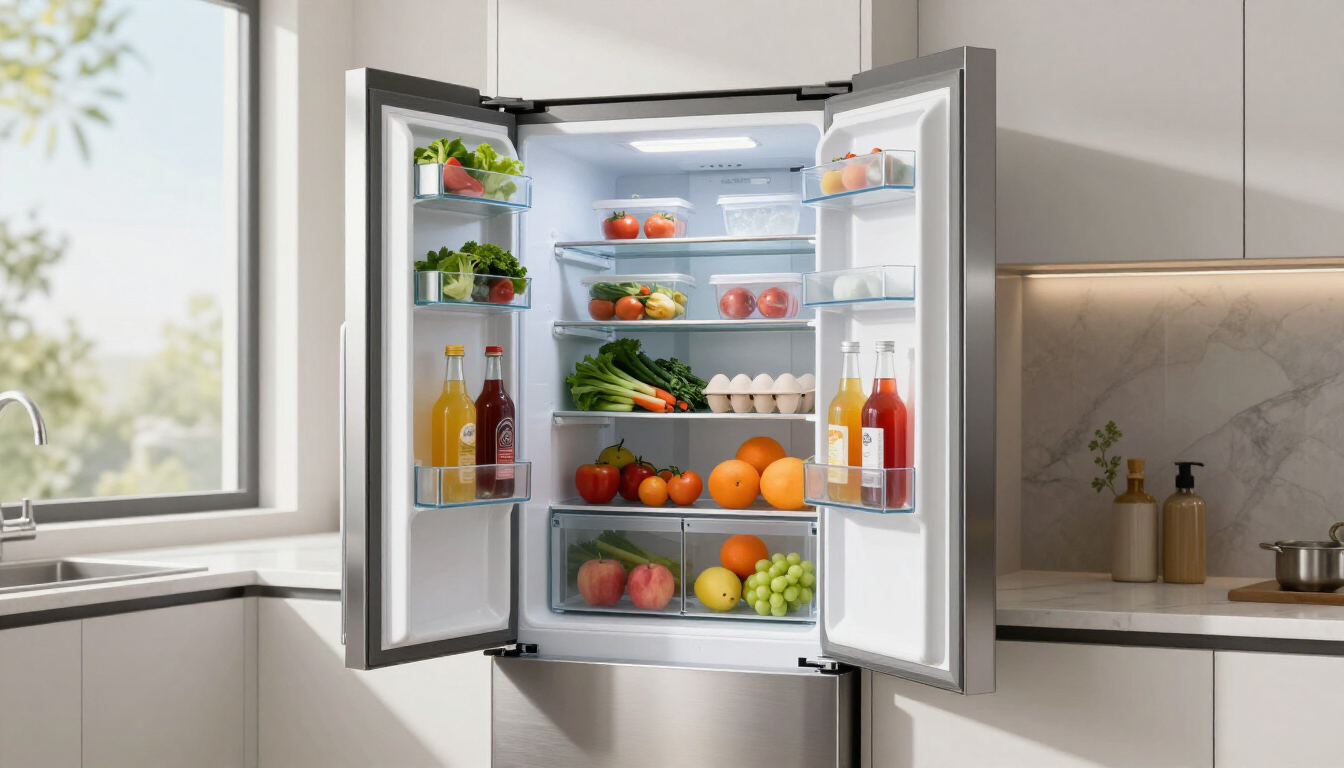
Open refrigerator filled with fruit, vegetables, drinks, and condiments in a bright kitchen
July 20, 2026
Discover why your refrigerator is warm while your freezer stays cold. Learn how to troubleshoot before calling for repair.
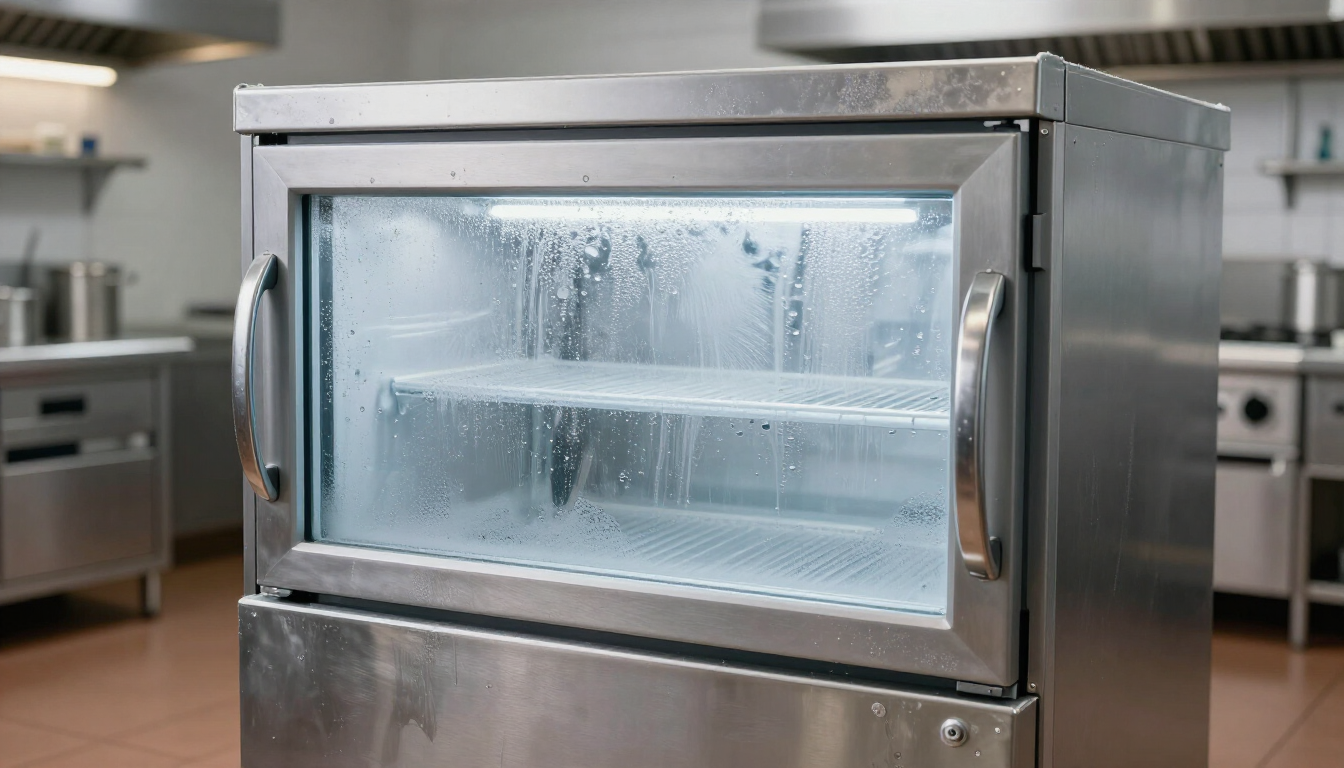
Stainless steel commercial steamer with glass door in a kitchen, covered in condensation.
July 6, 2026
Discover the 5 critical warning signs that your walk-in cooler needs professional service. Avoid food spoilage and costly repairs with our expert guide.
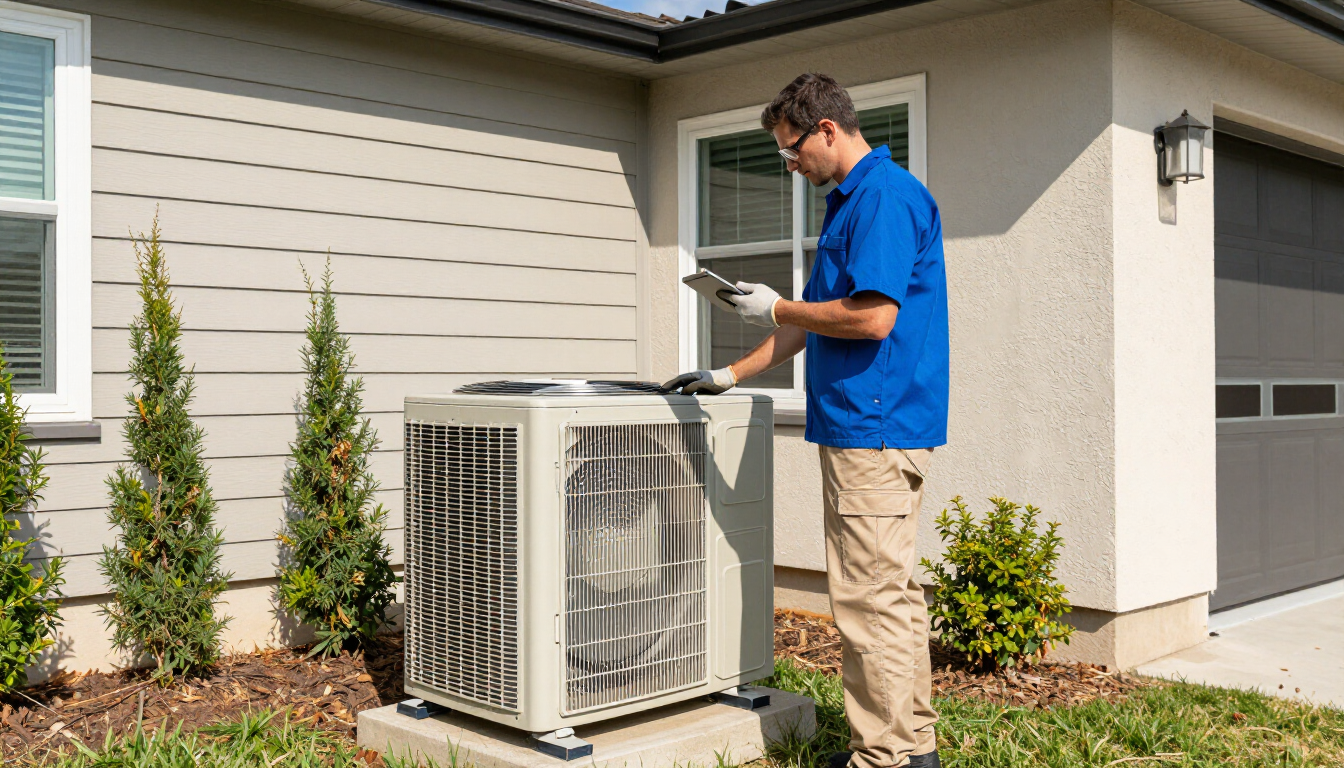
Technician inspecting an outdoor air conditioner unit beside a house
June 22, 2026
Prepare your HVAC system for summer with this maintenance checklist for homeowners and businesses across Eastern North Carolina.
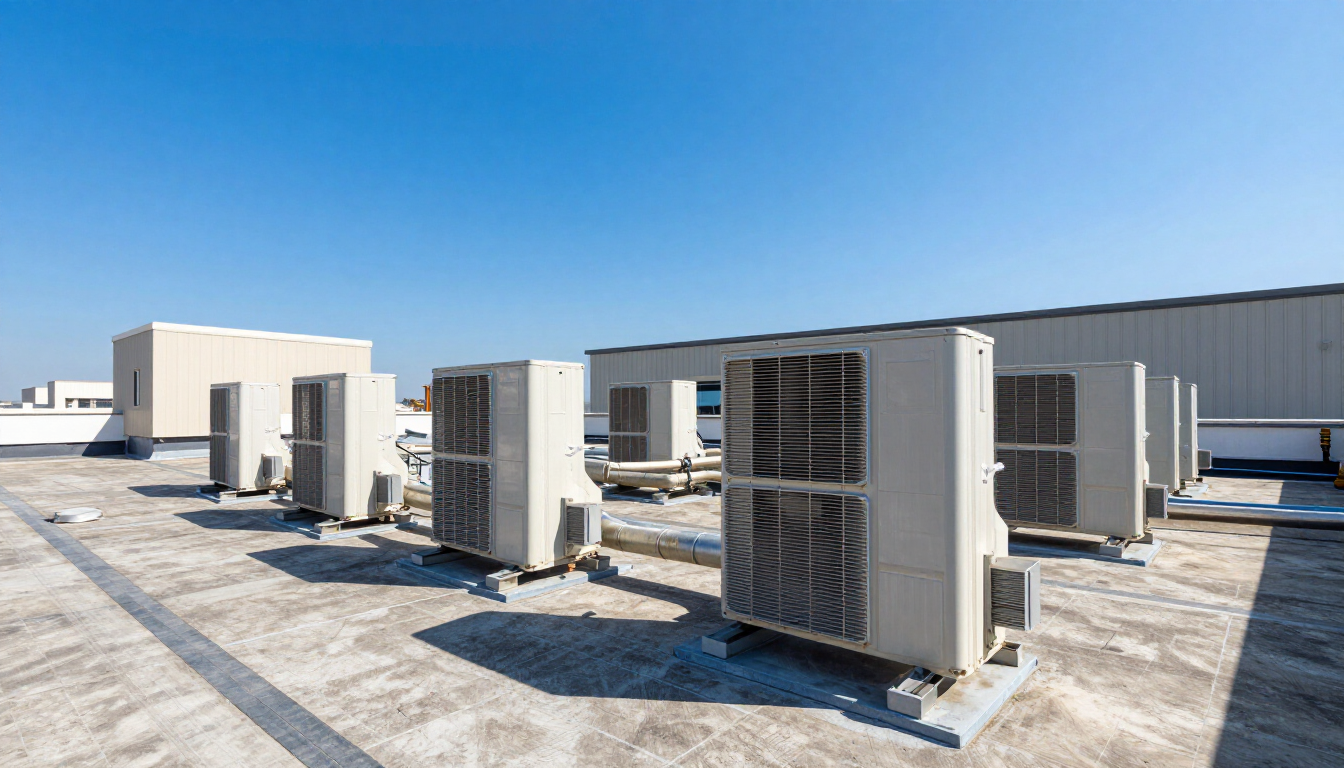
Row of rooftop HVAC units on a flat industrial building under a clear blue sky
June 8, 2026
Discover why commercial rooftop units fail during peak summer heat in North Carolina and how preventive maintenance can save your business from costly downtime.
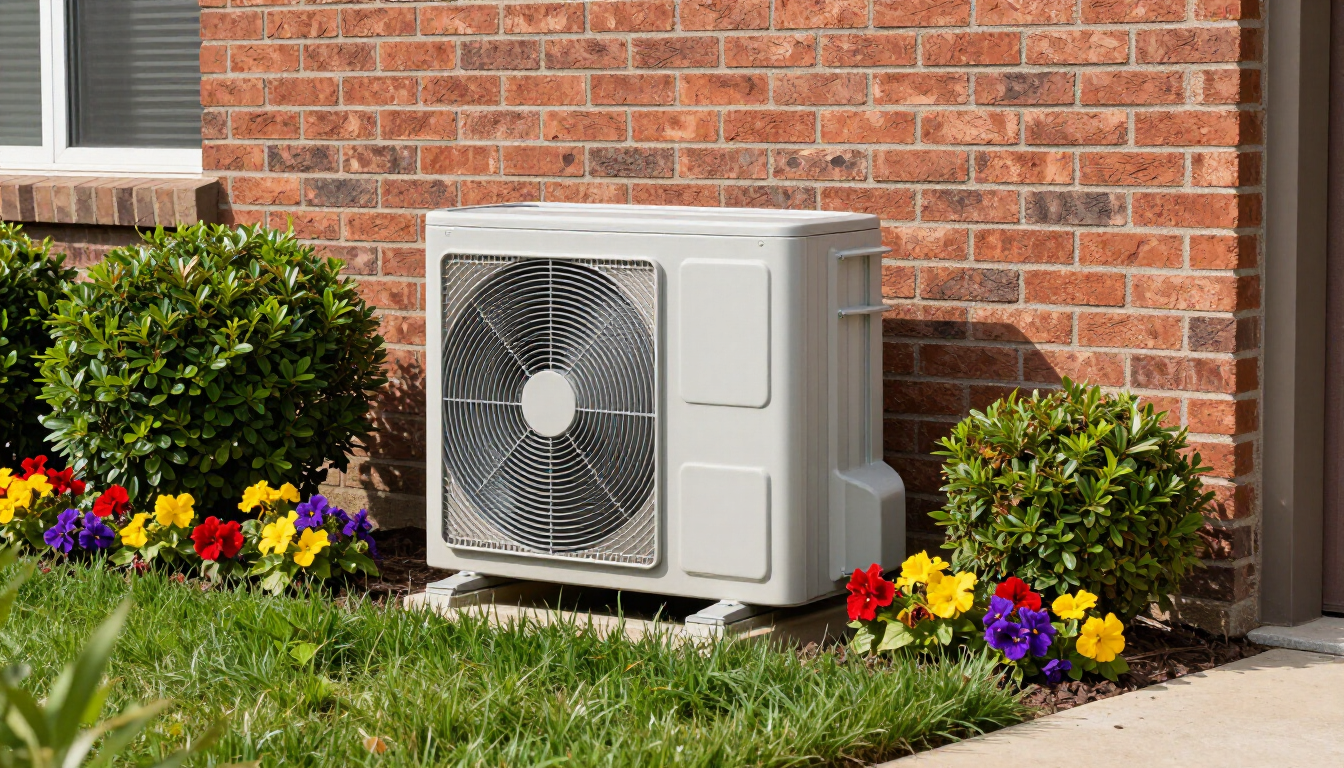
Outdoor air conditioning unit in Kinston NC
June 2, 2026
Struggling with a broken air conditioner? Learn how to get your AC running again with 5 simple troubleshooting tips from Kinston Refrigeration Company.
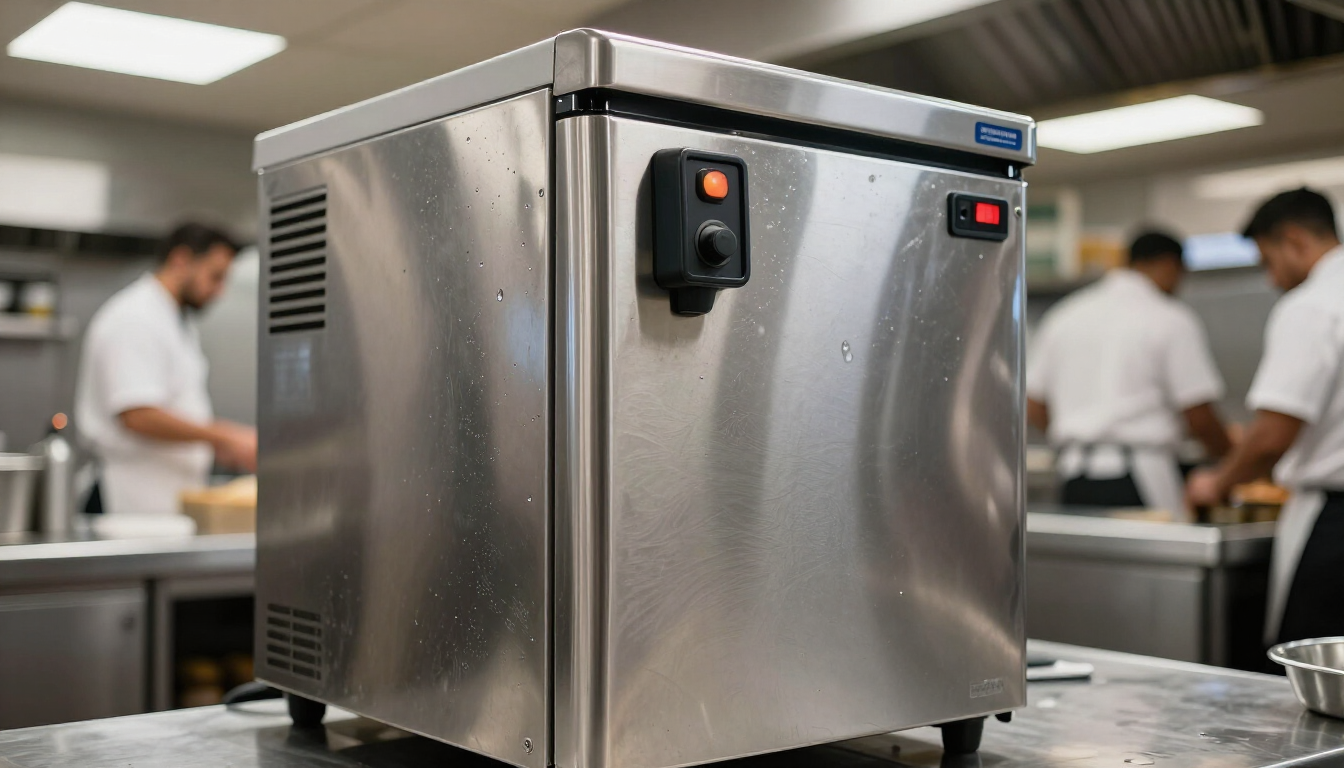
Stainless steel kitchen appliance with control panel on a prep table in a commercial kitchen
May 25, 2026
Learn why ice machines stop producing ice in restaurants. Discover common causes like scale buildup, clogged filters, and airflow issues, and how to fix them.
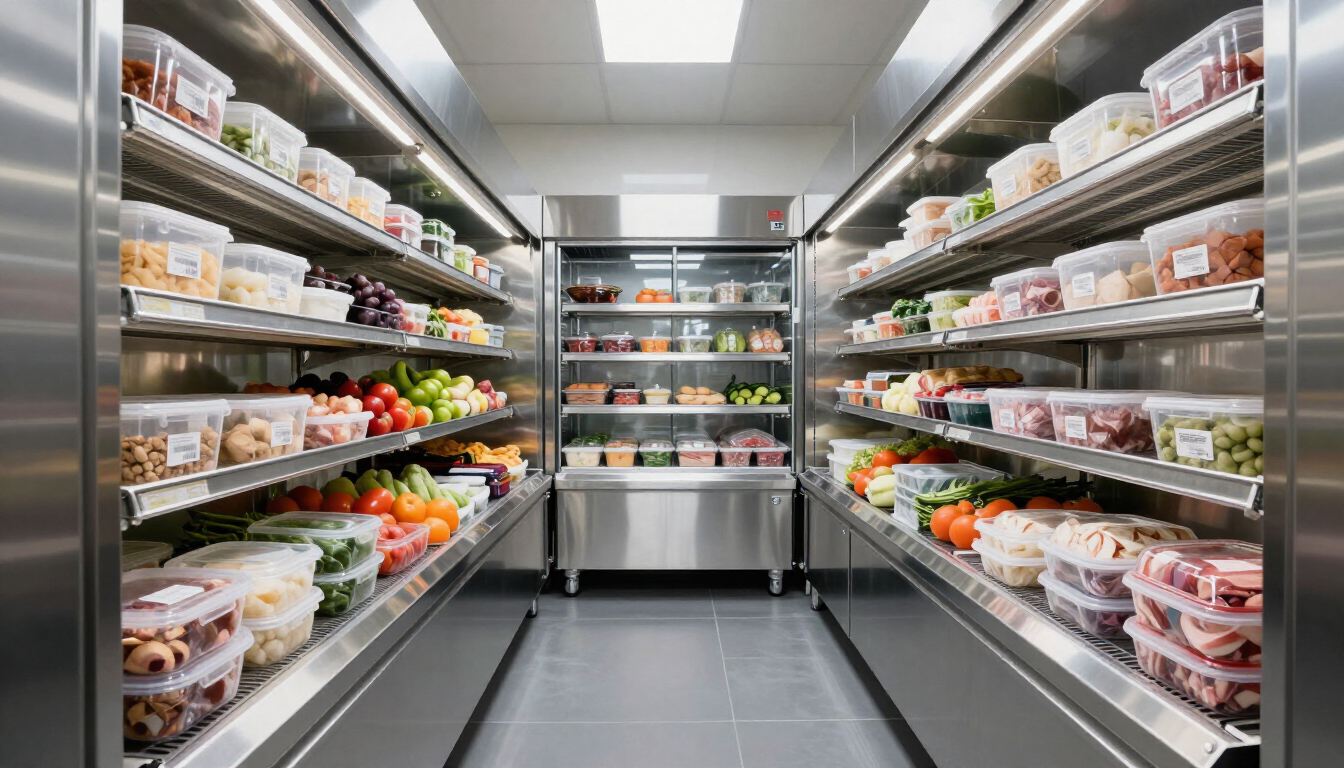
Grocery store refrigerated aisle with shelves of packaged produce and meats under bright lights
May 25, 2026
Ensure food safety and prevent spoilage with our comprehensive walk-in cooler maintenance checklist designed specifically for Eastern NC restaurant owners.