What’s in a Commercial HVAC Maintenance Agreement?
A commercial HVAC maintenance agreement is a scheduled service plan including routine inspections, cleaning, and technical tune-ups for business heating and cooling systems. These contracts typically cover filter changes, coil cleaning, refrigerant checks, and electrical testing to ensure peak performance, prevent costly downtime, and extend equipment life.
What is typically included in a commercial HVAC maintenance agreement?
When you sign up for a commercial HVAC maintenance plan, you aren’t just buying a pair of eyes on your equipment; you are investing in a comprehensive checklist designed to keep your business running smoothly. While every provider offers slightly different tiers, a standard professional agreement usually covers several critical areas of system health. At Kinston Refrigeration Company (KRC), we focus on the technical details that actually matter for system longevity.
Key inclusions often include:
- Filter Replacements: Changing high-efficiency air filters to maintain indoor air quality and airflow.
- Coil Cleaning: Cleaning both evaporator and condenser coils to ensure efficient heat transfer and lower energy bills.
- Electrical Inspections: Tightening connections, measuring voltage, and checking contactors to prevent electrical fires or component failure.
- Lubrication: Greasing bearings and motors to reduce friction and mechanical wear.
- Condensate Drain Clearing: Ensuring water drains properly to prevent leaks and mold growth in your commercial space.
Having these items addressed on a fixed schedule means you don't have to remember to call a technician; the maintenance comes to you. This is especially vital for businesses in Goldsboro, NC and surrounding areas where the summer heat can be brutal on unmaintained systems.
Why do businesses need scheduled HVAC inspections?
For most business owners, the HVAC system is a "set it and forget it" asset—until it stops working on a 95-degree afternoon. Scheduled inspections move your facility management from reactive to proactive. When you wait for a breakdown, you aren't just paying for the commercial HVAC repair; you are also paying for lost productivity, potential loss of inventory, and unhappy customers.
In Eastern North Carolina, humidity is a constant battle. High moisture levels can lead to premature corrosion of components and strain on the compressor. Regular inspections allow licensed technicians to spot these issues early. We believe in being technicians first, not salespeople. That means if we see a belt beginning to fray during a routine check, we can replace it for a few dollars now, rather than waiting for it to snap and cause a multi-thousand-dollar motor failure later.
The Core Components of a Commercial Service Plan
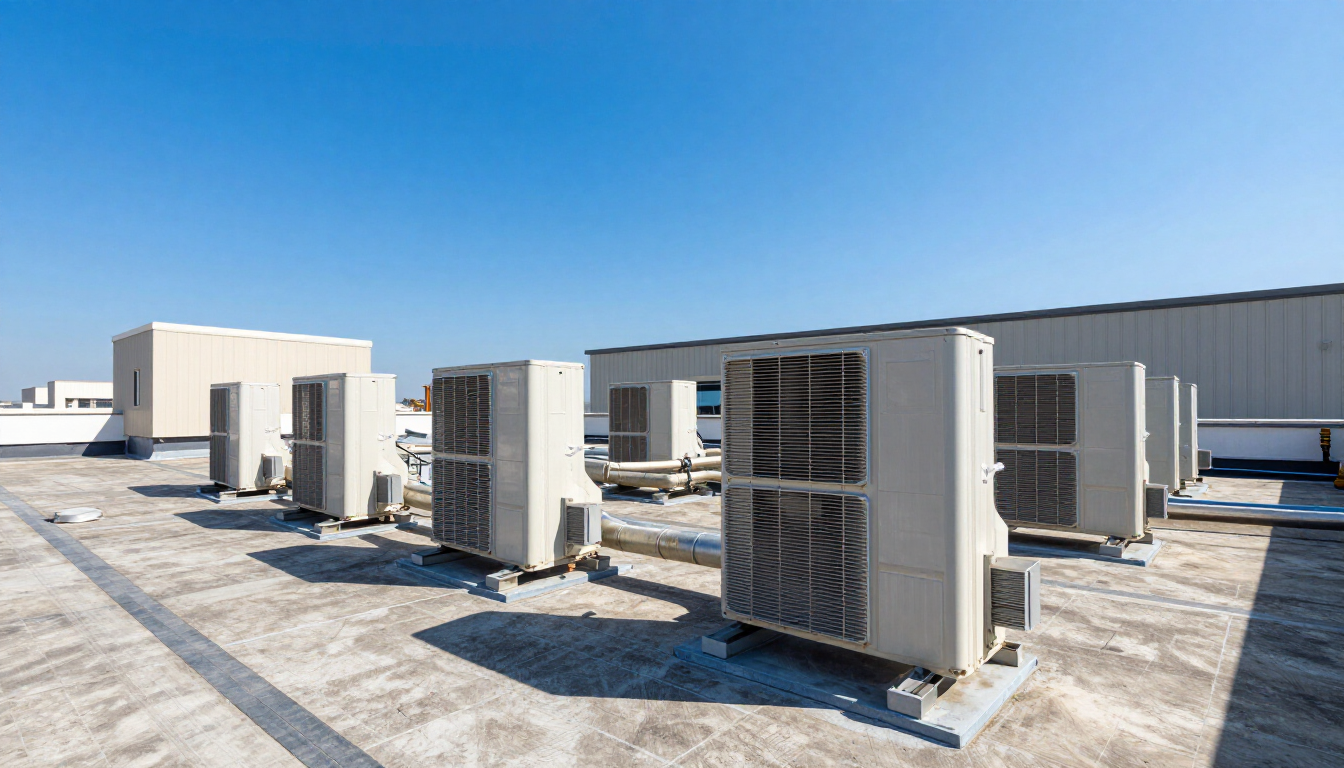
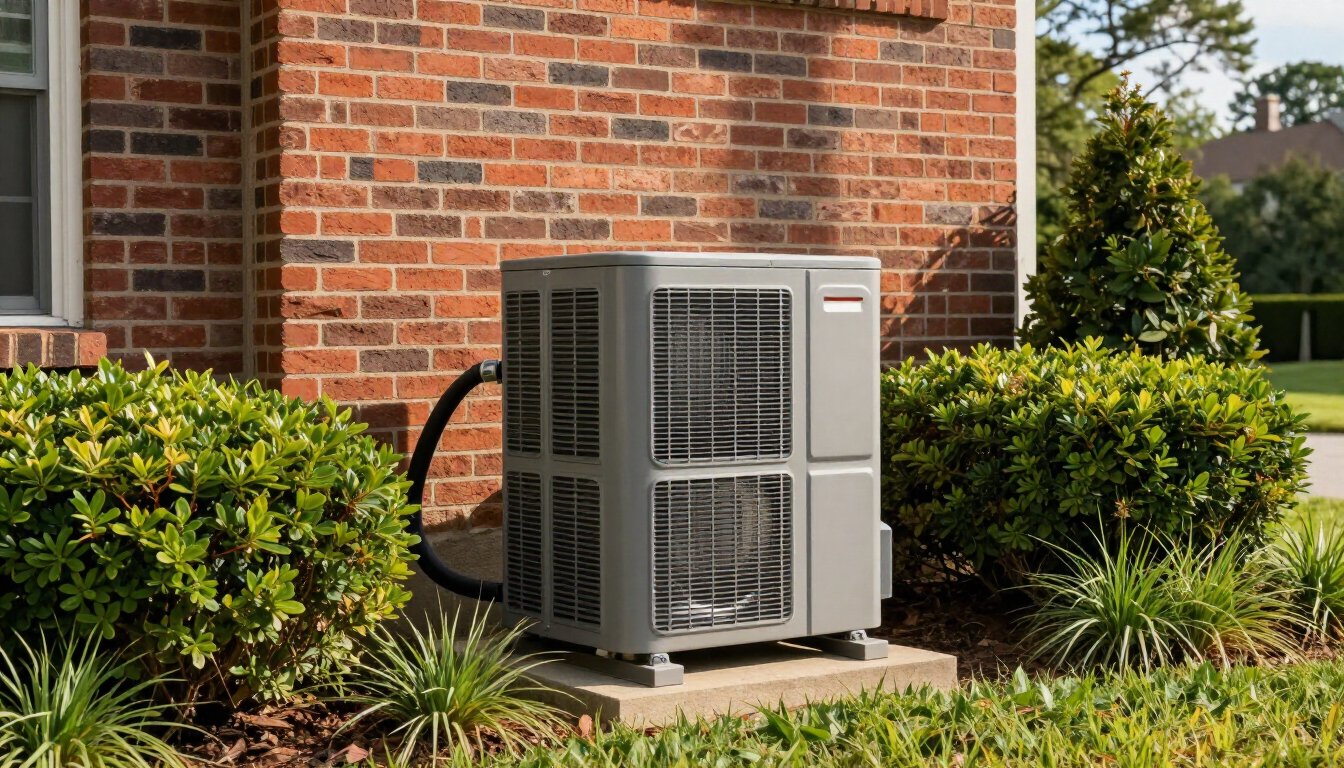
Beyond the basic checklist, a robust maintenance plan should account for the specific type of equipment your facility uses. A retail shop with a simple split system has different needs than an industrial warehouse utilizing massive rooftop units .
Comprehensive Refrigerant Management
One of the most overlooked parts of maintenance is checking refrigerant levels. A system that is even slightly low on charge will work twice as hard to produce half the cooling, leading to astronomical energy bills. Our team checks for tiny leaks and ensures the system is charged to manufacturer specifications, which is a key part of our commercial refrigeration maintenance standards as well.
Airflow and Belt Calibration
In commercial units, fans and blowers are the workhorses. Maintenance includes checking the tension of blower belts and the alignment of pulleys. If a belt is too tight, it wears out the bearings; too loose, and it slips, reducing efficiency. We fine-tune these mechanical components to ensure your air distribution is consistent across the entire building.
How does a maintenance plan reduce operational costs?
It might seem counterintuitive to spend money on a system that is currently working, but the ROI of a commercial HVAC maintenance agreement is significant. There are three primary ways these plans save your business money:
- Lower Utility Bills: Clean coils and well-lubricated motors require less electricity to reach your desired temperature. Studies show that neglected systems can see a 20-30% increase in energy consumption.
- Extended Equipment Lifespan: Commercial HVAC units are a massive capital expenditure. By maintaining them properly, you can often push the replacement date back by 5 to 7 years. That is thousands of dollars staying in your capital budget longer.
- Emergency Avoidance: Most maintenance agreements include priority scheduling. If a system does fail during a heatwave, customers with an agreement are at the front of the line, reducing the time your business is offline.
At KRC, we’ve served Greenville, NC and Kinston since 1970. We’ve seen firsthand how a simple seasonal tune-up can save a local restaurant or office from a disastrous mid-summer shutdown. By catching the "small stuff," we keep your overhead manageable.
What to look for in a professional HVAC service provider?
Not all maintenance agreements are created equal. When evaluating a partner for your commercial services , look for transparency and expertise. You want a company that employs licensed technicians who understand the complexities of major brands like Carrier, Trane, and York.
A good provider should offer:
- Detailed Reporting: After every visit, you should receive a report of what was checked and what was found.
- Honest Recommendations: You need a partner who tells you when a repair is necessary and when it can wait. At KRC, we pride ourselves on being honest—we only recommend replacement when it truly makes financial sense for you.
- Versatility: Many businesses also have refrigeration needs. Choosing a company that can handle both your AC and your walk-in cooler repair simplifies your vendor management.
Benefits of Priority Scheduling and Discounted Parts
One of the biggest perks of a long-term agreement is the relationship you build with your service company. Most agreements include “Member Only” benefits. This often includes a discount on parts and labor for any repairs that arise outside of the maintenance window.
More importantly, during the peak of summer in North Carolina, every HVAC company is flooded with calls. Maintenance agreement customers typically receive priority status. This means while others might be waiting 48 hours for a technician, you are likely seeing a truck at your door within hours. For businesses like grocery stores or server rooms, that speed is priceless.
How often should commercial HVAC maintenance be performed?
For most businesses, we recommend a semi-annual schedule—once in the spring before the cooling season and once in the fall before the heating season. However, if your business operates in a high-dust environment or requires 24/7 climate control, quarterly visits may be necessary. We work with our clients to customize a plan that fits their specific usage patterns and budget.
If you are ready to protect your investment and ensure your building stays comfortable year-round, contact us today. Our team at Kinston Refrigeration Company is ready to help you build a maintenance plan that works for you, keeping your equipment running and your costs down.
Key Takeaways for Business Owners:
- Preventive is cheaper than reactive: Routine checks stop small issues from becoming major failures.
- Efficiency equals profit: Lowering your monthly energy bill directly improves your bottom line.
- Safety and Air Quality: Maintenance ensures your staff and customers are breathing clean, tempered air.
- Documented History: A record of maintenance can increase the resale value of your property and satisfy insurance requirements.
Don't wait for your system to fail. Investing in a maintenance plan is the smartest move you can make for your facility's long-term health.