5 Critical Signs Your Walk-In Cooler Needs Service

July 6, 2026

Share this article

Your walk-in cooler needs service if you notice fluctuating temperatures, excessive frost on coils or gaskets, strange loud noises, water puddles, or lingering bad odors. Addressing these walk-in cooler service indicators early prevents inventory loss and ensures your business remains compliant with local health department food safety regulations and standards.

In the fast-paced world of food service, your walk-in cooler is the heart of your operation. It’s where your largest investments—your ingredients—stay fresh and safe for your customers. When that system starts to fail, it isn't just a minor inconvenience; it’s a direct threat to your bottom line. At Kinston Refrigeration Company (KRC), we’ve seen how a small, ignored leak can turn into a midnight emergency that costs thousands in lost product. Being proactive about identifying the signs of wear and tear can save you from the stress of a total system breakdown.

Why is my walk-in cooler leaking water?

If you find yourself mopping up puddles around the base of your cooler or seeing water dripping from the ceiling inside the unit, you have a problem that needs immediate attention. Water leaks are rarely just about the water itself; they are often a symptom of a deeper mechanical issue within the refrigeration cycle. There are several common culprits behind a leaky cooler:

  • Clogged Drain Lines: Over time, algae, debris, or even small food particles can clog the condensate drain line. When water can’t escape, it backs up and overflows.
  • Damaged Drain Pans: The pan that collects moisture during the defrost cycle can rust or crack over years of use, leading to slow leaks.
  • High Humidity Levels: If the door isn't sealing correctly, warm, moist air enters the unit, causing excessive condensation that the system wasn't designed to handle.
  • Frozen Evaporator Coils: If the coils freeze over, they eventually melt, often at a rate that overwhelms the drainage system.
  • Improper Installation: If the floor isn't level or the unit was installed poorly, water may pool in corners rather than flowing toward the drain.

Ignoring water leaks can lead to structural damage to your floors and, more importantly, create a serious slip-and-fall hazard for your staff. If you notice persistent moisture, it’s time to look into Walk-In Cooler & Freezer Repair to identify the source and stop the damage before it spreads.

Warning signs of a failing compressor

The compressor is the powerhouse of your walk-in cooler. It’s responsible for circulating the refrigerant that removes heat from the interior. Because it works so hard, it is often one of the first major components to show signs of failure. If your compressor is struggling, you might notice that the unit is running constantly without ever reaching the set temperature. You might also hear a clicking sound as the compressor attempts to kick on but fails.

A failing compressor often results from poor Commercial Refrigeration Maintenance . When condenser coils are covered in grease and dust, the compressor has to work twice as hard to dissipate heat. This extra strain leads to overheating and eventual electrical failure. If you suspect your compressor is on its last legs, don’t wait for it to die completely. A professional technician can often replace a start capacitor or clean the system to extend the life of the compressor, saving you from a much more expensive replacement later on.

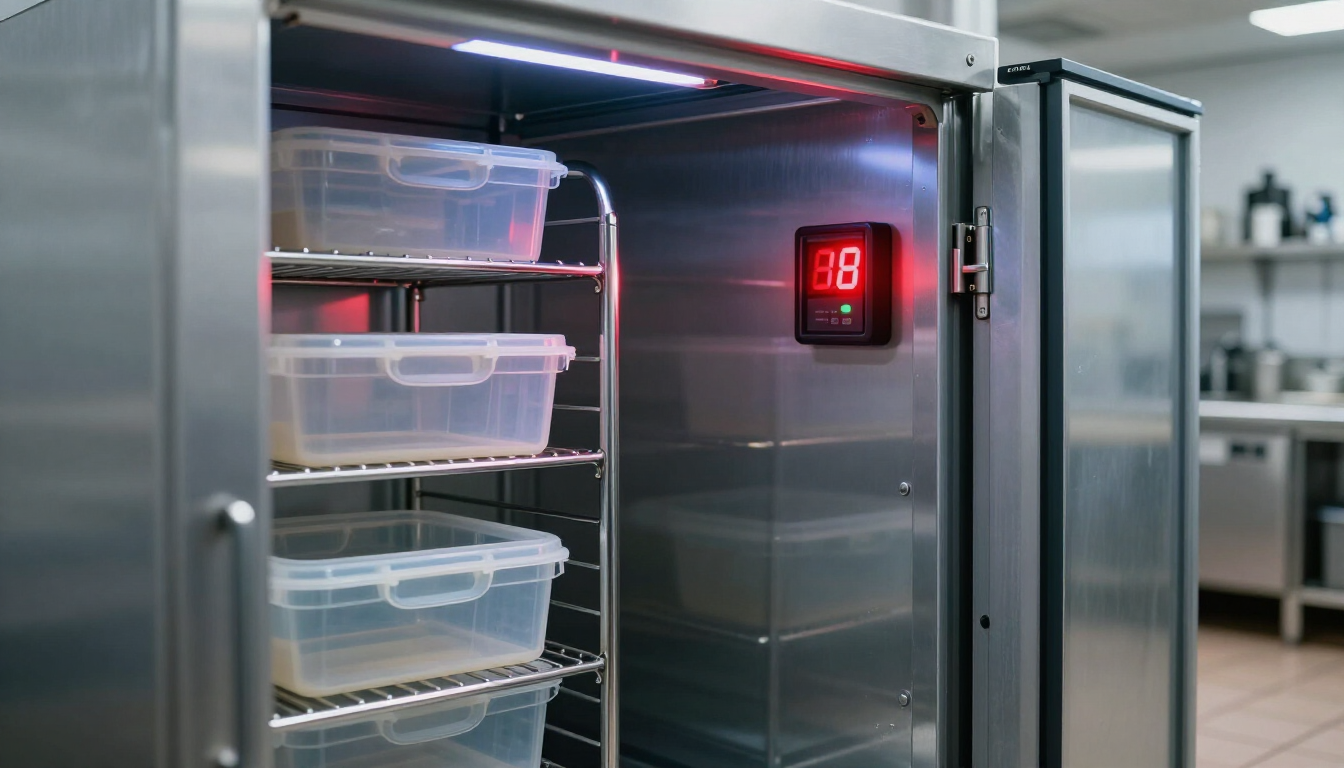
Worker checking the contents of a refrigerated storage unit in a grocery warehouse

What causes frost buildup in a walk-in cooler?

Frost belongs in your freezer, not in your walk-in cooler. While a tiny bit of frost on the evaporator coils just before a defrost cycle might be normal, seeing ice build up on the walls, ceiling, or the door frame is a major red flag. This phenomenon is usually caused by "infiltration," which is a fancy way of saying warm air is getting into the refrigerated space. When warm, humid air hits the cold surfaces inside your cooler, it turns directly into ice.

The most common reason for this is a faulty door gasket. If the rubber seal around your door is cracked, brittle, or torn, it’s like leaving a window open in the middle of winter. The cooler has to work overtime to keep up, and the moisture in the air creates a winter wonderland where it doesn't belong. Another cause could be a malfunctioning defrost timer or heater. If the system doesn't enter its defrost cycle properly, the ice on the coils will continue to grow until it blocks airflow entirely, leading to a "warm" cooler despite the presence of ice. If you are battling ice, check out our Walk-In Cooler Not Cooling Guide for more troubleshooting tips.

Temperature Fluctuations and Food Safety Risks

Consistency is the hallmark of a healthy refrigeration system. If you notice that your thermometer reads 36°F in the morning but climbs to 45°F during the lunch rush, your system is struggling to recover. While some temperature rise is expected when the door is opened frequently, a healthy walk-in cooler should be able to pull the temperature back down quickly.

Inconsistent temperatures are dangerous because they allow bacteria to grow on perishable items like dairy, meat, and produce. The "danger zone" for food safety is between 40°F and 140°F. If your cooler spends even a few hours a day in the low 40s, you are risking a health department violation or, worse, a foodborne illness outbreak. Often, these fluctuations are caused by low refrigerant levels or a thermostat that has lost its calibration. In many cases, a simple walk-in cooler service call can recalibrate the system and ensure you stay within safety guidelines. For broader issues with your cooling systems, our experts in Commercial Refrigeration Repair are ready to help businesses throughout Kinston and the surrounding areas.

Close-up of a torn black rubber weather seal on a metal frame

Why is my walk-in cooler making strange noises?

A commercial cooler is never completely silent, but you should be familiar with its usual hum. When that hum turns into a grind, a squeal, or a loud vibration, it’s your equipment’s way of screaming for help. Different noises point to different problems:

  • Grinding or Squealing: This usually indicates a fan motor failure. The bearings in the evaporator or condenser fans may be wearing out. If the fan stops, the system will quickly overheat.
  • Rattling or Vibrating: This could be a loose mounting bolt, a vibrating refrigerant line, or a sign that the compressor's internal components are coming loose.
  • Loud Hissing: This is often a sign of a significant refrigerant leak. Since refrigerant is vital for cooling, a leak needs to be patched and recharged by a licensed professional immediately.
  • Buzzing: This might indicate an electrical issue, such as a failing relay or a contactor that is "chattering."

At KRC, we believe in being technicians first, not salespeople. We won't try to sell you a new unit just because of a noisy fan. We’ll get in there, find the loose part or the worn bearing, and perform the necessary Commercial Refrigeration Repair to get things quiet and efficient again.

Unusual Odors and Cleanliness Standards

If you open your walk-in cooler and are greeted by a musty or sour smell that doesn't go away after a routine cleaning, you may have a mold or mildew problem hidden in the dark corners of the unit. Moisture and food particles are a breeding ground for microbes. Sometimes, the smell originates from the drain pan or the insulation inside the walls if it has become waterlogged due to leaks.

Beyond just being unpleasant, odors can be absorbed by sensitive foods like butter and eggs, ruining your inventory. A deep clean is the first step, but if the smell persists, it likely means there is a mechanical issue causing excess moisture or poor airflow. Regular Commercial Refrigeration Maintenance includes checking the cleanliness of the entire system, ensuring that your storage environment remains as pristine as the food you serve.

Key Takeaways for Business Owners

Staying ahead of walk-in cooler issues is the best way to protect your business and your sanity. By watching for these five signs, you can catch problems while they are still small and affordable to fix.

  • Watch for moisture: Puddles and frost are never normal and indicate air or water leaks.
  • Listen to the unit: New or loud noises are early warning signs of mechanical failure.
  • Monitor the temp: Frequent fluctuations put food safety at risk and strain the compressor.
  • Check the seals: Brittle gaskets are the leading cause of energy waste and frost.
  • Act fast: Small repairs today prevent total system replacements tomorrow.

If you've noticed any of these warning signs in your kitchen, don't wait for the system to fail during your busiest shift. The team at Kinston Refrigeration Company has over 50 years of experience helping Eastern North Carolina businesses keep their cool. Contact Us today to schedule a professional inspection and ensure your refrigeration system is ready for the road ahead.

Recent Posts

Open refrigerator filled with fruit, vegetables, drinks, and condiments in a bright kitchen
July 20, 2026
Discover why your refrigerator is warm while your freezer stays cold. Learn how to troubleshoot before calling for repair.
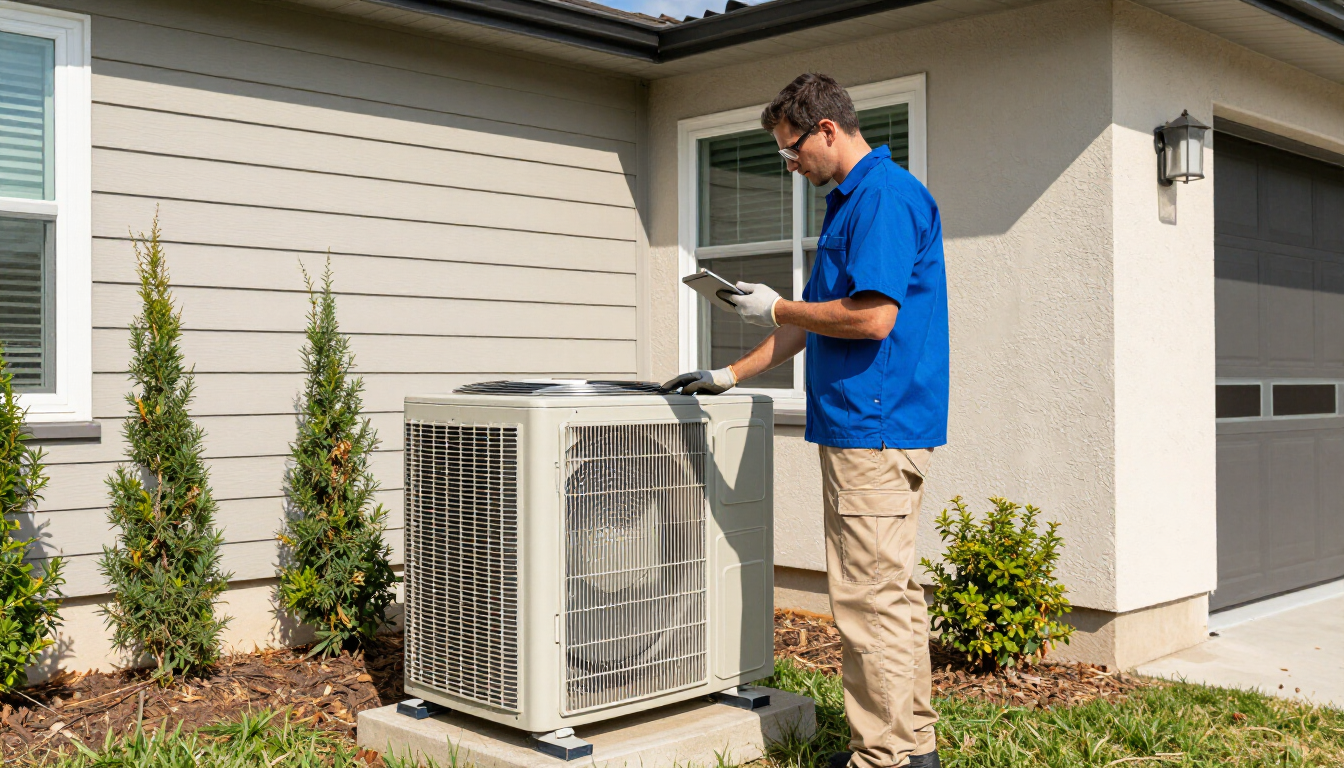
Technician inspecting an outdoor air conditioner unit beside a house
June 22, 2026
Prepare your HVAC system for summer with this maintenance checklist for homeowners and businesses across Eastern North Carolina.
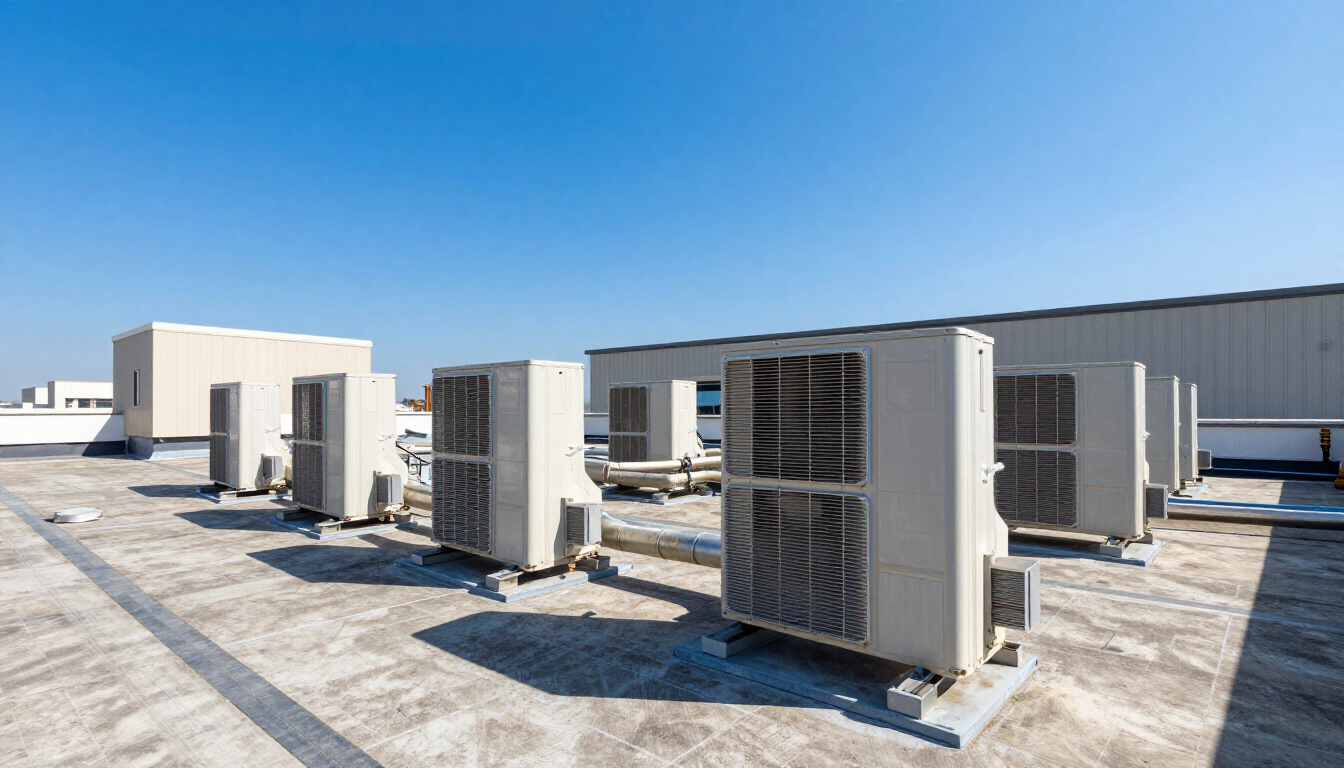
Row of rooftop HVAC units on a flat industrial building under a clear blue sky
June 8, 2026
Discover why commercial rooftop units fail during peak summer heat in North Carolina and how preventive maintenance can save your business from costly downtime.
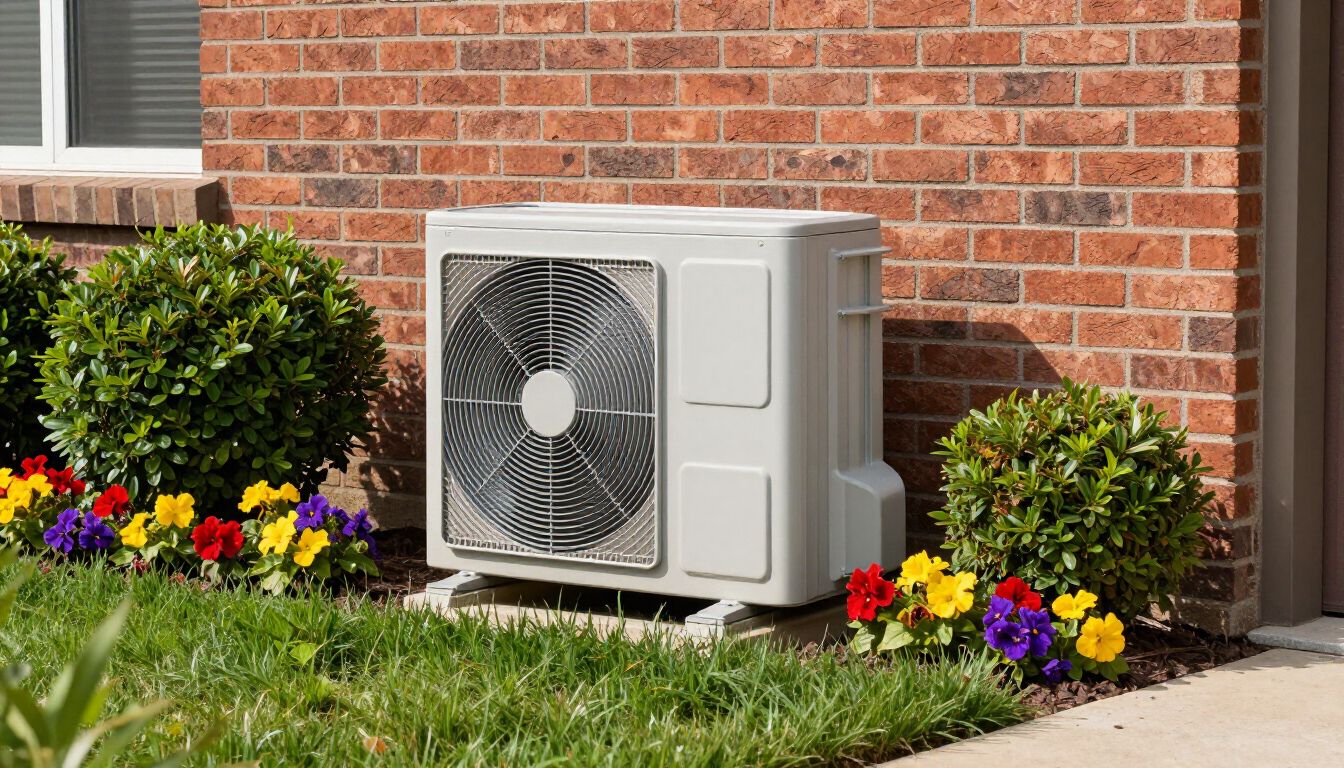
Outdoor air conditioning unit in Kinston NC
June 2, 2026
Struggling with a broken air conditioner? Learn how to get your AC running again with 5 simple troubleshooting tips from Kinston Refrigeration Company.
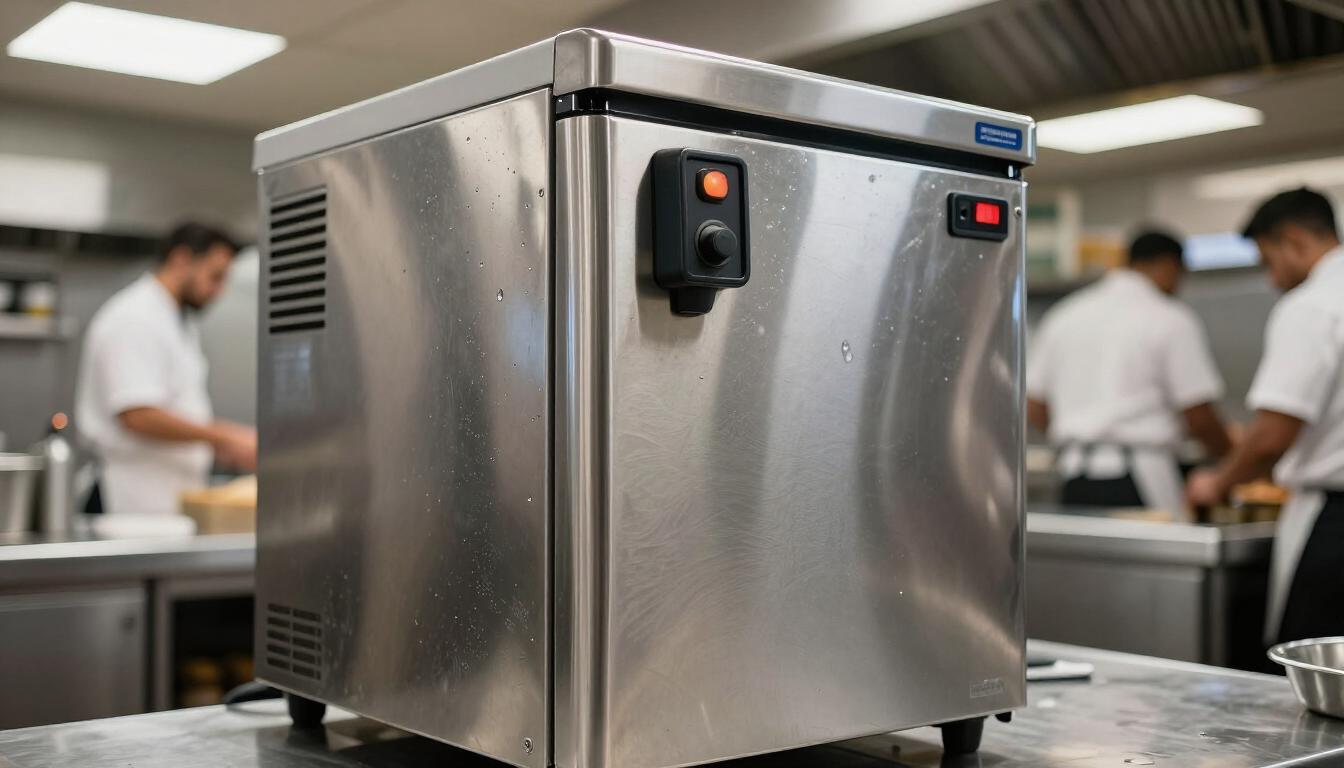
Stainless steel kitchen appliance with control panel on a prep table in a commercial kitchen
May 25, 2026
Learn why ice machines stop producing ice in restaurants. Discover common causes like scale buildup, clogged filters, and airflow issues, and how to fix them.
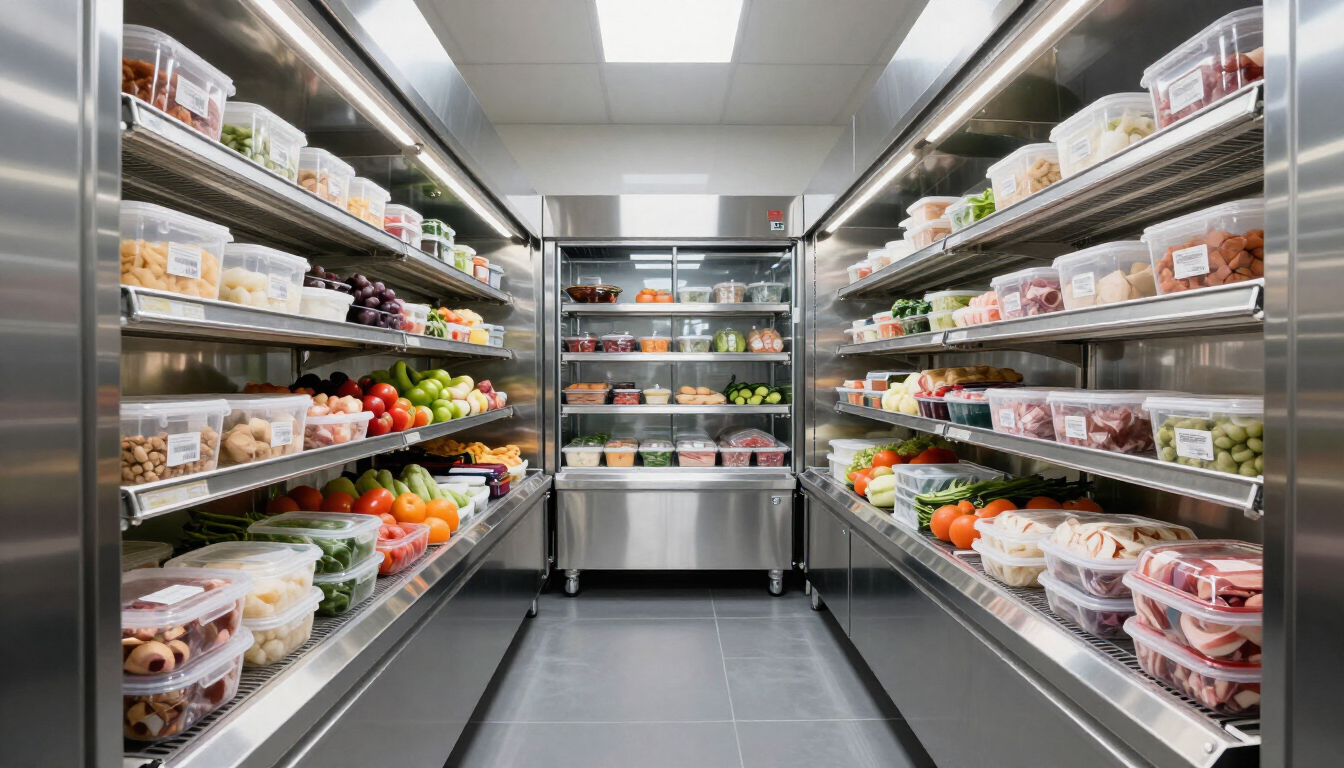
Grocery store refrigerated aisle with shelves of packaged produce and meats under bright lights
May 25, 2026
Ensure food safety and prevent spoilage with our comprehensive walk-in cooler maintenance checklist designed specifically for Eastern NC restaurant owners.