Walk-In Cooler Maintenance Checklist for NC Restaurants

May 25, 2026

Share this article

A walk-in cooler maintenance checklist is a proactive schedule of cleaning and technical inspections designed to ensure food safety, optimize energy efficiency, and prevent costly breakdowns in commercial kitchens. Regular maintenance involves cleaning coils, checking seals, and monitoring temperatures to protect your inventory from spoilage and extend equipment life.

Why is a walk-in cooler maintenance checklist essential in Eastern NC?

Operating a restaurant in Eastern North Carolina presents unique challenges for commercial refrigeration. Between the intense summer heat and the high humidity levels in cities like Greenville, NC and Goldsboro, NC , your walk-in cooler has to work significantly harder than systems in cooler, drier climates. Without a consistent walk-in cooler maintenance checklist , the mechanical components of your unit are under constant stress.

Neglecting maintenance doesn't just lead to a higher power bill; it creates a domino effect of operational risks. When a walk-in cooler fails, you aren't just looking at a repair bill—you are looking at thousands of dollars in wasted inventory and potential health code violations. A structured checklist allows you to spot small issues, like a worn gasket or a dusty coil, before they turn into emergency calls. By staying ahead of the curve, you ensure that your kitchen remains compliant with safety standards and that your food stays fresh for your customers.

Grocery store freezer aisle with shelves of packaged food and glass-doored refrigerators at the end

Core Maintenance Tasks for Daily Operations

Daily habits are the first line of defense against refrigeration failure. These tasks should be integrated into your opening or closing shifts to ensure consistency. When your staff follows a routine, it becomes much easier to identify when something "feels" or "sounds" off with the equipment. Here are the most critical daily and weekly tasks for your team:

  • Monitor and log temperature readings twice daily.
  • Check that the door closes and seals completely.
  • Inspect the floor for any standing water or ice buildup.
  • Verify that interior lights are turned off when not in use.
  • Ensure air vents are not blocked by food crates or boxes.

By keeping a close eye on these daily metrics, you can catch fluctuations early. For instance, if you notice the temperature creeping up by even two degrees over several days, it could indicate a slow refrigerant leak or a failing motor. For more help with specific cooling issues, you can refer to our Walk-In Cooler Not Cooling Guide .

How often should you clean walk-in cooler coils?

You should clean your walk-in cooler’s evaporator and condenser coils at least once every three months, though high-volume kitchens may require monthly cleanings. The condenser coil is responsible for releasing the heat collected from inside the cooler. If it is covered in dust, grease, or debris, it cannot shed heat effectively, causing the compressor to run longer and hotter. Over time, this extra work will lead to a total compressor failure, which is one of the most expensive commercial refrigeration repairs a business can face.

Cleaning the coils isn't just about blowing off dust; it involves carefully removing the buildup that accumulates in a busy kitchen environment. In many Eastern NC restaurants, grease from fryers and grills can travel through the air and settle on the refrigeration units. This sticky residue acts like a magnet for dust, creating an insulating layer that chokes the system. Regular cleaning improves airflow, lowers energy consumption, and keeps your monthly overhead under control.

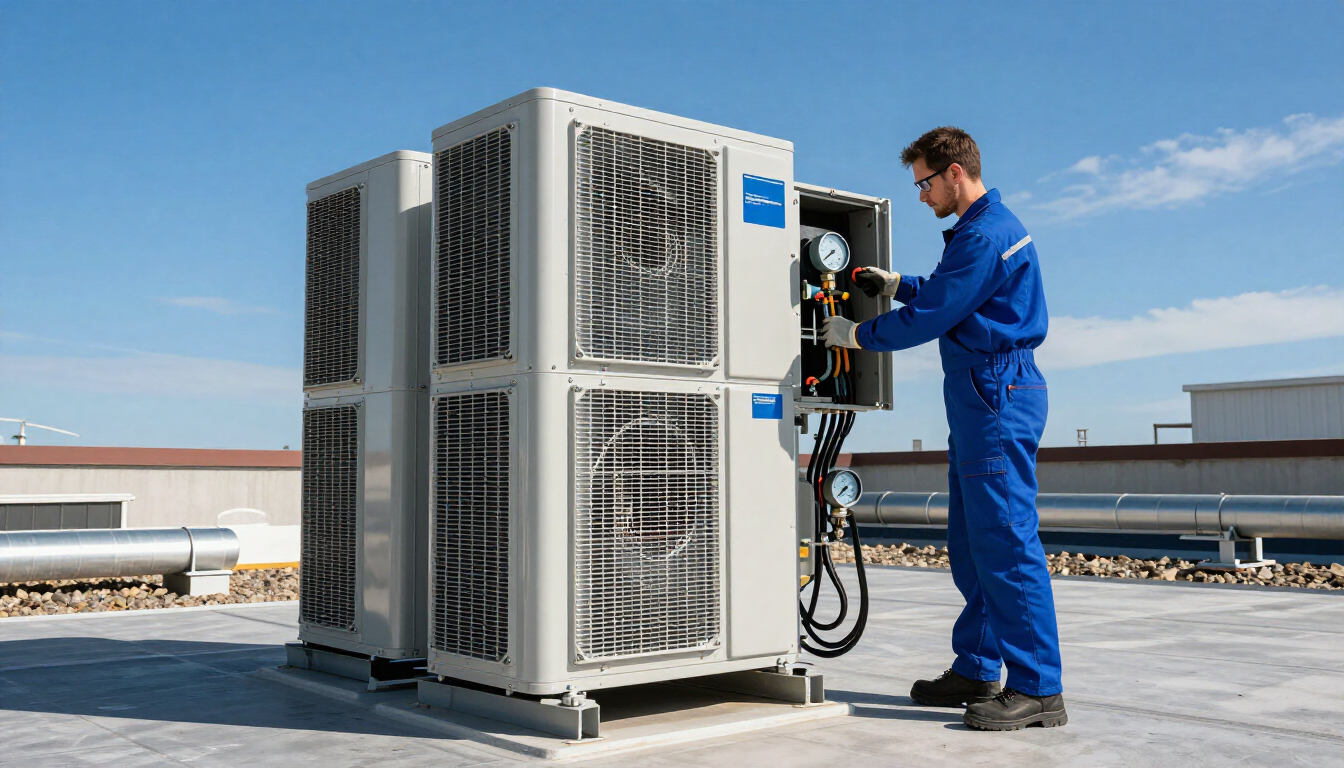
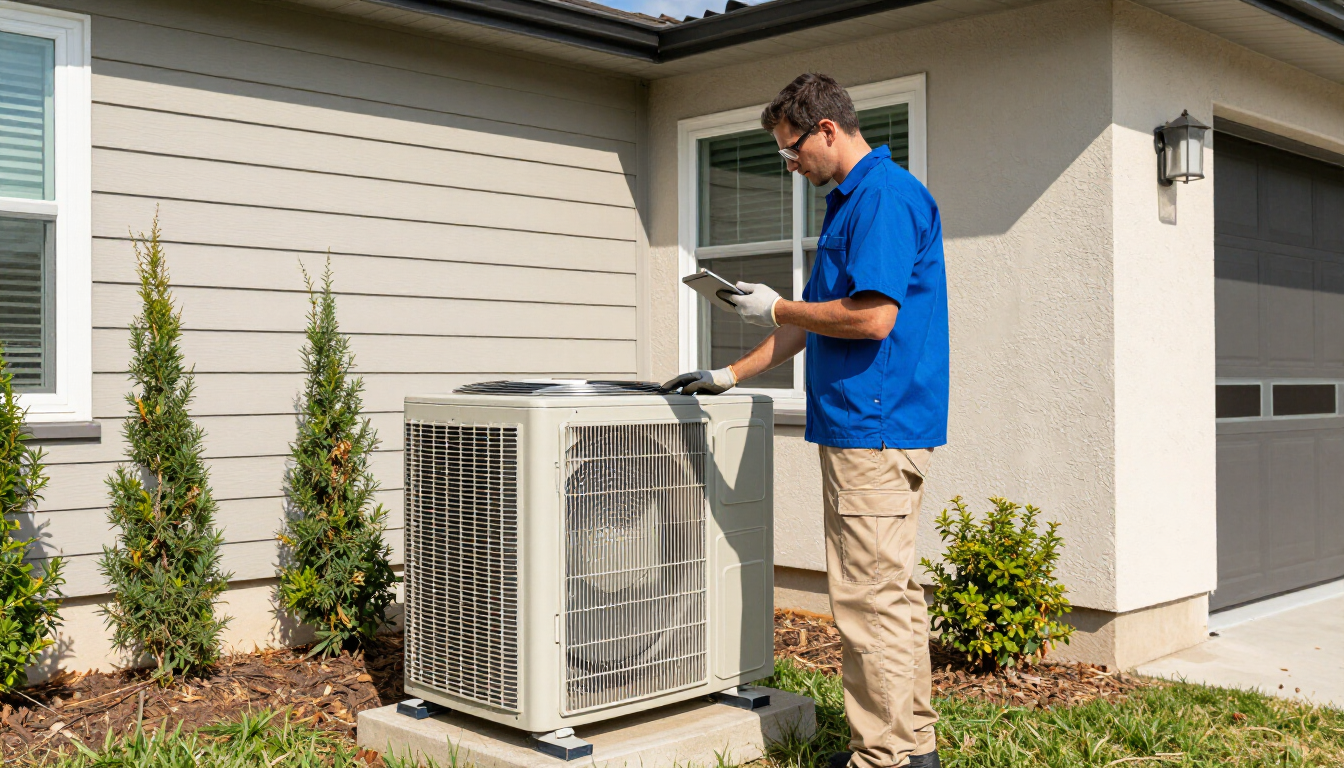
Technician cleaning an outdoor air conditioner unit with a brush and cloth

Proactive Steps for Door Gasket Longevity

The door gasket is a small rubber component that plays a massive role in your cooler’s efficiency. A cracked or torn gasket allows cold air to escape and warm, humid air to enter. This leads to ice formation on the evaporator coils and forces the system to run constantly. As part of your walk-in cooler maintenance checklist , you should inspect the entire perimeter of the door seal for signs of wear.

To prolong the life of your gaskets, wipe them down weekly with warm, soapy water to remove food particles and mold. Avoid using harsh chemicals, which can cause the rubber to become brittle and crack. If you notice the door isn't pulling itself shut or if there is visible light leaking through the seal, it is time for a replacement. Keeping these seals tight is one of the easiest ways to prevent the need for Walk-In Cooler & Freezer Repair services.

What are the common signs of refrigeration failure?

Recognizing the early warning signs of a failing walk-in cooler can save your restaurant from a weekend emergency. While some issues are obvious, others are subtle and require a keen eye. Watch for these indicators that your system needs professional attention:

  • Unusual noises, such as grinding or loud clicking from the motor.
  • Frequent cycling on and off (short-cycling) of the compressor.
  • Rapid ice buildup on the evaporator coils or walls.
  • Water leaking onto the floor or dripping from the ceiling.
  • Lingering odors that suggest mold or drainage issues.

If you encounter any of these problems, it’s best to call a licensed technician. At Kinston Refrigeration Company, we are technicians first, meaning we prioritize diagnosing and fixing the specific issue rather than trying to sell you a whole new system. We provide honest Commercial Refrigeration Maintenance to keep your business running smoothly without unnecessary costs.

High-Humidity Maintenance Challenges in Kinston and Greenville

In Eastern North Carolina, humidity is the enemy of refrigeration. When the air is thick with moisture, opening the walk-in cooler door even for a few seconds introduces a significant amount of water vapor into the unit. This moisture quickly turns into frost on the evaporator coils, which can eventually freeze solid and block all airflow. This is why properly functioning defrost cycles are critical for restaurants in Kinston, NC and the surrounding areas.

Managing humidity also means paying close attention to the drain lines. If the condensate drain becomes clogged with slime or debris, the water will back up and potentially freeze inside the drain pan or leak into the cooler. During the humid summer months, it is wise to flush the drain lines with a specialized cleaner to prevent blockages. This extra step in your maintenance routine ensures that your system can handle the local climate without breaking a sweat.

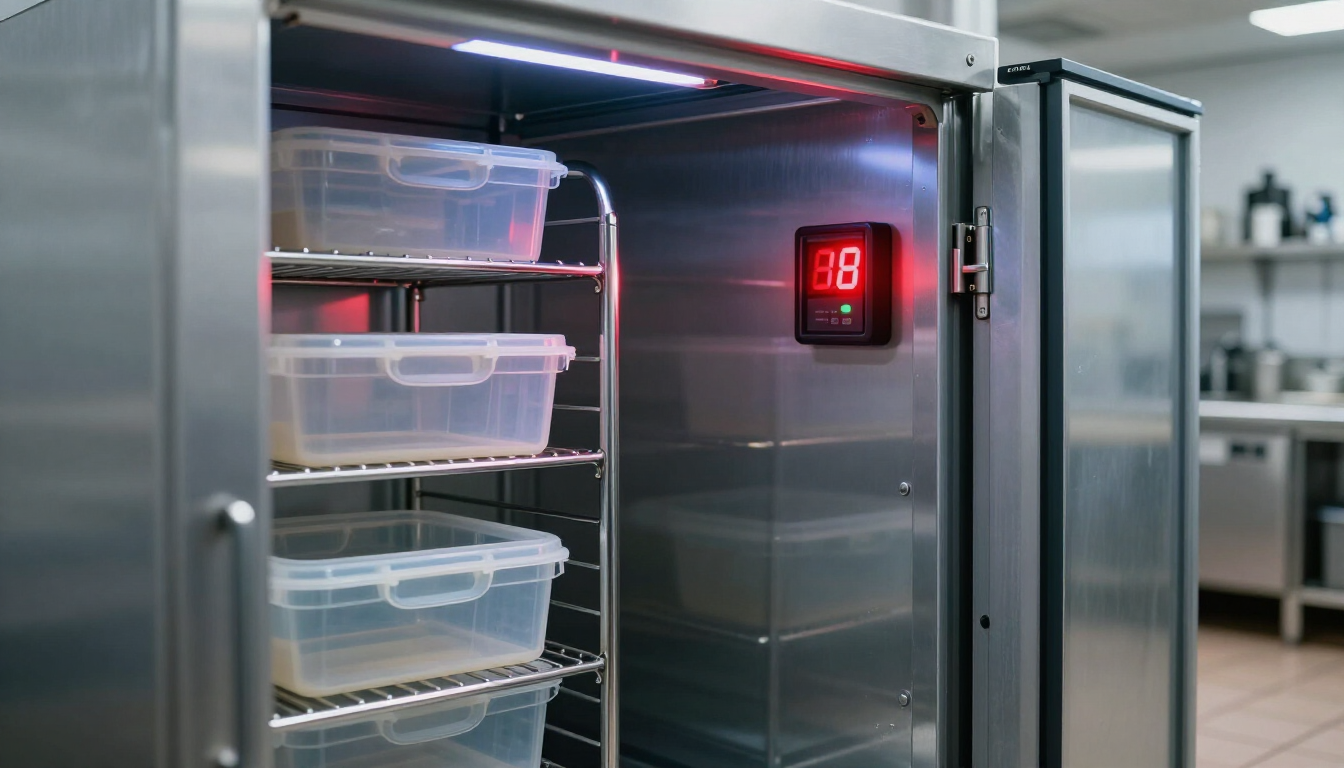
Green digital display showing 38°F on a gray panel

How can professional service extend your cooler's lifespan?

While your staff can handle daily cleaning and visual checks, a professional technician provides a level of deep inspection that is essential for long-term reliability. A professional service visit includes checking refrigerant levels, testing electrical connections, and calibrating thermostats. These technical tasks require specialized tools and training to ensure they are done safely and accurately.

By scheduling bi-annual professional check-ups, you are investing in the longevity of your equipment. A technician can spot a failing capacitor or a slightly low refrigerant charge that your staff would never notice. Addressing these small technical issues prevents them from cascading into major mechanical failures. For comprehensive care, consider one of our Maintenance Plans tailored for commercial kitchens.

Summary of Walk-In Cooler Best Practices

Maintaining a walk-in cooler requires a combination of daily diligence and periodic professional expertise. By following a structured walk-in cooler maintenance checklist , restaurant owners in Eastern NC can protect their bottom line, ensure food safety, and avoid the stress of sudden equipment failure. Remember that the goal of maintenance is to keep the system running as efficiently as possible, which saves you money on both energy bills and repair costs.

Key Takeaways for Restaurant Owners:

  • Stick to a daily temperature logging routine to catch fluctuations early.
  • Clean condenser and evaporator coils at least quarterly to maintain airflow.
  • Inspect and clean door gaskets weekly to prevent energy loss and ice buildup.
  • Monitor for unusual sounds or ice accumulation as early warning signs of failure.
  • Partner with a trusted technician for bi-annual professional inspections.

If you are experiencing issues with your refrigeration or want to set up a preventative maintenance schedule, Contact Us today. Our team at Kinston Refrigeration Company has over 50 years of experience helping businesses across Eastern North Carolina stay cool and compliant.

Recent Posts

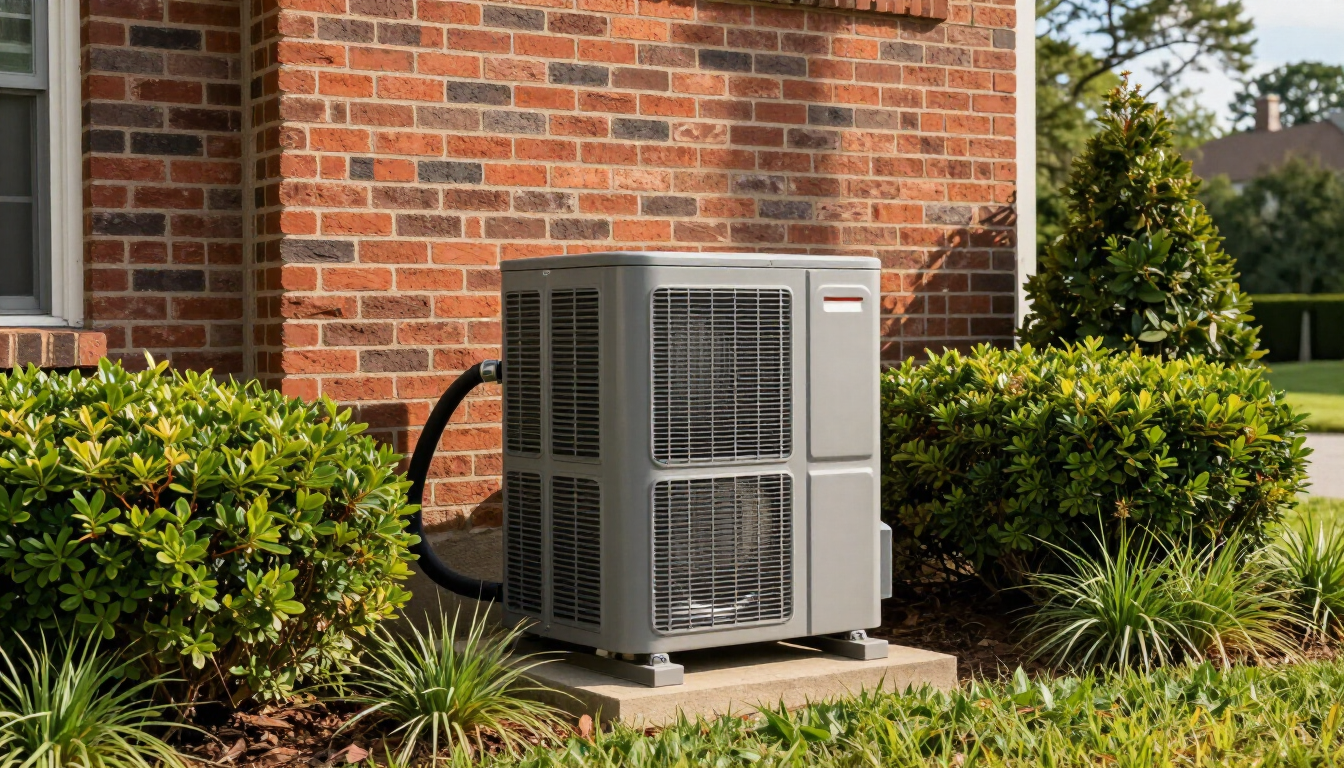
Outdoor air conditioning unit in Kinston NC
June 2, 2026
Struggling with a broken air conditioner? Learn how to get your AC running again with 5 simple troubleshooting tips from Kinston Refrigeration Company.
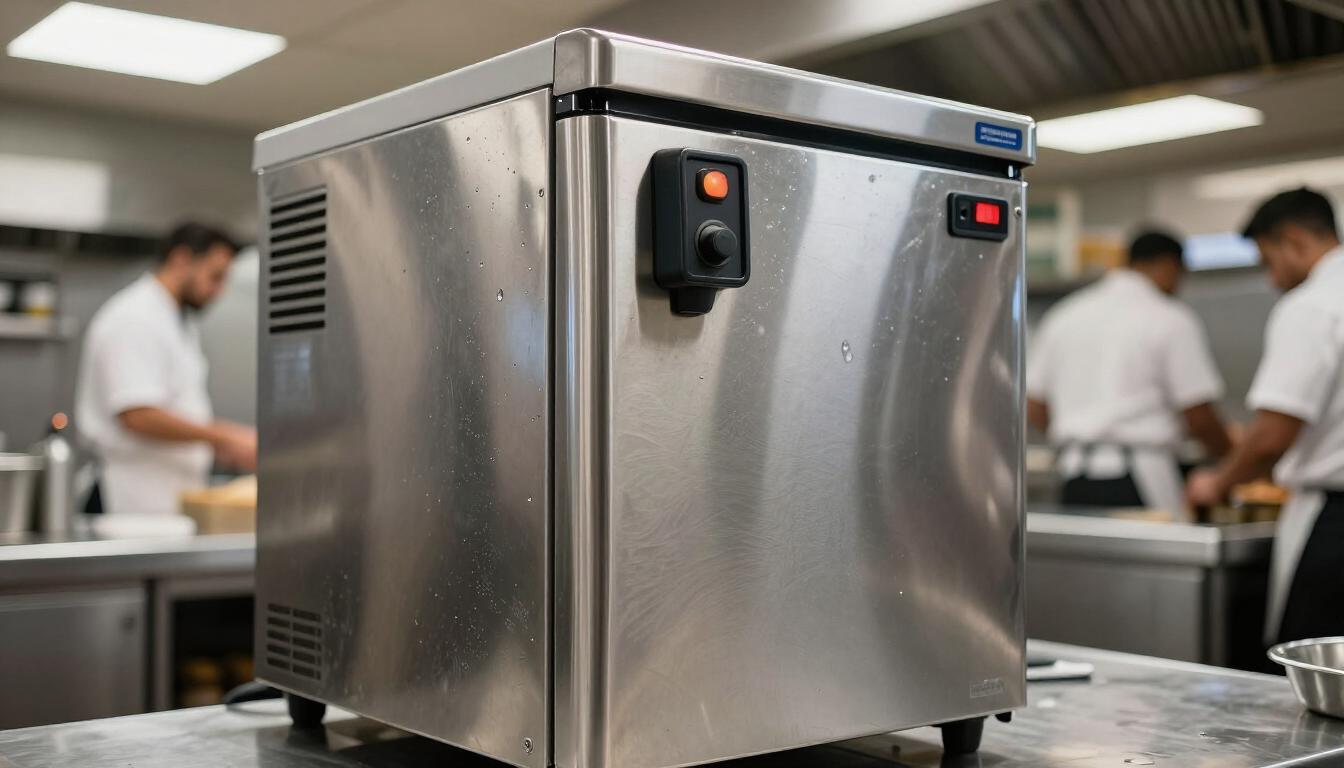
Stainless steel kitchen appliance with control panel on a prep table in a commercial kitchen
May 25, 2026
Learn why ice machines stop producing ice in restaurants. Discover common causes like scale buildup, clogged filters, and airflow issues, and how to fix them.